By Dr. Richard Nguyen. Dr. Richard Nguyen is a board-certified general surgeon fellowship-trained at Vanderbilt, specializing in advanced minimally invasive and robotic surgical techniques.
When considering weight loss surgery, one of the most common concerns patients have is the risk of complications. Bariatric surgery has evolved significantly over the past few decades, transitioning from large open incisions to minimally invasive laparoscopic techniques, and now to the forefront of modern medicine: robotic-assisted surgery. Understanding how robotic bariatric surgery complications are minimized is crucial for anyone contemplating this life-changing procedure. At Lifetime Surgical, we prioritize patient safety, utilizing the most advanced technology available to ensure optimal outcomes.
The journey toward significant weight loss and improved metabolic health is a profound one. For many individuals struggling with severe obesity and related comorbidities such as type 2 diabetes, hypertension, and sleep apnea, bariatric surgery offers a highly effective solution. However, the complexity of these procedures necessitates a surgical approach that maximizes precision and minimizes trauma to the body. This is where robotic-assisted surgery truly shines, offering unparalleled visualization, dexterity, and control.
In this comprehensive guide, we will delve deep into the mechanisms by which robotic technology enhances surgical safety. We will explore the specific ways in which robotic bariatric surgery complications are reduced compared to traditional methods. By understanding the technological advancements and the rigorous training our surgeons undergo, patients can feel more confident and informed about their surgical options. Whether you are considering a gastric bypass, sleeve gastrectomy, or a complex revision surgery, the robotic approach offers distinct advantages that are worth exploring in detail.
To fully appreciate the benefits of robotic surgery, it is helpful to understand the historical context of bariatric procedures. Initially, weight loss surgeries were performed as open procedures, requiring a large incision down the abdomen. While effective for weight loss, open surgery was associated with significant pain, long hospital stays, and a higher risk of complications such as incisional hernias and wound infections. The recovery period was often arduous, deterring many potential candidates from seeking surgical treatment.
The advent of laparoscopic surgery revolutionized the field. By using small incisions, specialized instruments, and a camera (laparoscope), surgeons could perform complex procedures with much less trauma to the abdominal wall. Laparoscopy significantly reduced hospital stays, postoperative pain, and the incidence of wound-related complications. However, laparoscopy has its limitations. The instruments are rigid, offering a limited range of motion, and the two-dimensional visualization can make depth perception challenging, particularly in patients with a high body mass index (BMI) or thick abdominal walls.
Robotic-assisted surgery represents the next evolutionary leap. It addresses the limitations of laparoscopy by providing three-dimensional, high-definition visualization and instruments with articulating wrists that mimic the movements of the human hand. This enhanced capability is particularly beneficial in bariatric surgery, where the anatomical challenges can be significant. By overcoming the constraints of traditional laparoscopy, the robotic platform plays a pivotal role in reducing robotic bariatric surgery complications and improving overall patient outcomes.
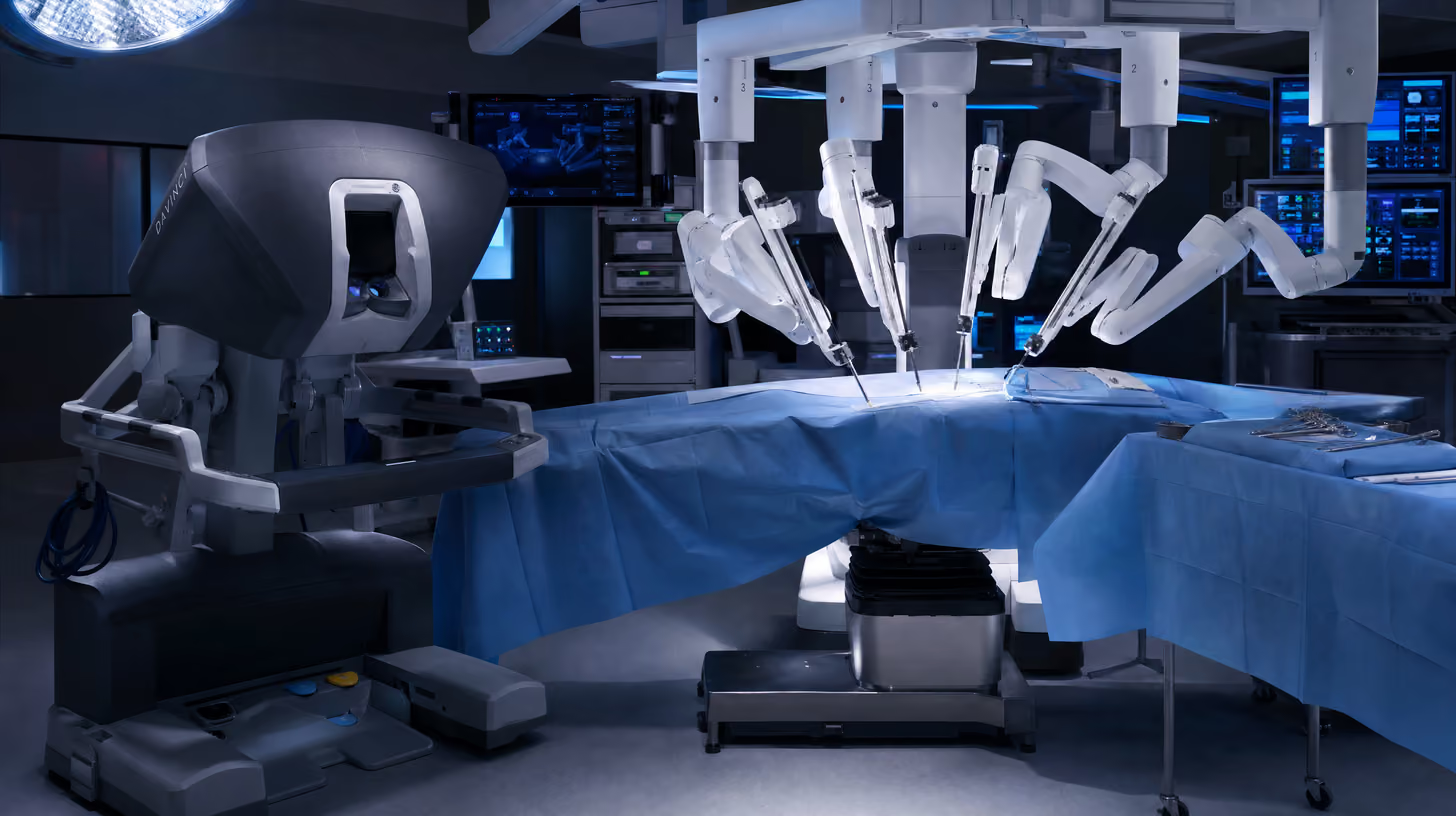
It is a common misconception that the robot performs the surgery autonomously. In reality, the robotic system is entirely controlled by the surgeon. The system consists of a surgeon console, a patient cart with robotic arms, and a vision cart. The surgeon sits at the console, viewing a highly magnified, 3D high-definition image of the surgical site. The surgeon's hand, wrist, and finger movements are seamlessly translated into precise, real-time movements of the surgical instruments attached to the robotic arms.
The instruments used in robotic surgery are designed with "EndoWrist" technology, providing seven degrees of freedom and a range of motion far greater than the human hand. This allows for intricate dissection, precise suturing, and delicate tissue handling in confined spaces. Furthermore, the robotic system filters out any natural hand tremors, ensuring absolute steadiness during the procedure. This level of precision is a key factor in minimizing tissue damage and reducing the likelihood of robotic bariatric surgery complications.
At Lifetime Surgical, our surgeons have undergone extensive, specialized training to master the robotic platform. The combination of advanced technology and surgical expertise allows us to perform even the most complex bariatric procedures with a high degree of safety and efficacy. The robotic system is a powerful tool that enhances the surgeon's capabilities, translating into tangible benefits for the patient.
The reduction of robotic bariatric surgery complications is not merely a theoretical advantage; it is supported by a growing body of clinical evidence. The enhanced visualization and dexterity provided by the robotic system translate into several specific clinical benefits that directly impact patient safety and recovery.
Firstly, the 3D high-definition camera provides a crystal-clear view of the anatomy, allowing the surgeon to identify vital structures, blood vessels, and nerves with exceptional clarity. This precise visualization minimizes the risk of inadvertent injury to surrounding organs, a critical factor in complex bariatric procedures where the anatomy may be distorted by excess adipose tissue or previous surgeries. Better visualization leads to safer dissection and a lower rate of intraoperative complications.
Secondly, the articulating instruments allow for precise suturing and tissue manipulation. In procedures like the Roux-en-Y gastric bypass, creating secure, leak-proof connections (anastomoses) between the stomach and intestines is paramount. The enhanced dexterity of the robotic instruments facilitates meticulous suturing, significantly reducing the risk of anastomotic leaks, which are among the most serious robotic bariatric surgery complications. The ability to sew with precision in tight spaces is a major advantage of the robotic approach.
Furthermore, the robotic system allows for less tension on the abdominal wall during the procedure. In traditional laparoscopy, the rigid instruments pivot at the incision site, which can cause trauma to the abdominal wall, especially in patients with a thick abdominal wall. The robotic arms are designed to pivot at the port site without exerting excessive force on the surrounding tissue. This reduction in abdominal wall trauma translates to less postoperative pain, a lower risk of port-site hernias, and a faster recovery.
When discussing robotic bariatric surgery complications, it is important to look at specific adverse events that are mitigated by this technology. One of the most feared complications in bariatric surgery is an anastomotic leak. This occurs when the surgical connections between the stomach and intestines fail to heal properly, allowing gastrointestinal contents to leak into the abdominal cavity. As mentioned earlier, the superior suturing capabilities of the robotic system play a crucial role in creating secure anastomoses, thereby reducing the incidence of leaks.
Bleeding is another potential complication. The enhanced 3D visualization allows the surgeon to identify and control small blood vessels more effectively than with traditional 2D laparoscopy. The precise movements of the robotic instruments also enable careful dissection around delicate vascular structures, minimizing the risk of significant intraoperative or postoperative bleeding. This precision is particularly valuable in revision bariatric surgeries, where scar tissue from previous procedures can make dissection challenging.
Strictures, or narrowing of the surgical connections, can also occur after bariatric surgery, leading to difficulty swallowing and nausea. The meticulous suturing and precise tissue handling facilitated by the robotic system help ensure that the anastomoses are created with the optimal diameter, reducing the likelihood of stricture formation. By minimizing these specific robotic bariatric surgery complications, the robotic approach contributes to a smoother and safer recovery process.
While robotic surgery offers benefits for primary bariatric procedures, its advantages become even more pronounced in complex and revision cases. Revision bariatric surgery is performed when a patient has had a previous weight loss procedure and requires further intervention due to inadequate weight loss, weight regain, or complications from the initial surgery. These procedures are inherently more difficult due to the presence of scar tissue (adhesions) and altered anatomy.
In these challenging scenarios, the 3D visualization and articulating instruments of the robotic system are invaluable. The surgeon can navigate through dense scar tissue with greater precision and safety, identifying the altered anatomy more clearly. The enhanced dexterity allows for delicate dissection and reconstruction that might be exceedingly difficult or impossible with traditional laparoscopy. Consequently, the risk of robotic bariatric surgery complications in revision cases is significantly mitigated when utilizing the robotic platform.
Patients with a very high BMI (super-obesity) also benefit greatly from the robotic approach. The increased thickness of the abdominal wall in these patients can make traditional laparoscopy physically demanding for the surgeon, as the rigid instruments must be maneuvered against significant resistance. The robotic system's mechanical advantage and the ability to operate without torque on the abdominal wall make the procedure less physically taxing for the surgeon and less traumatic for the patient, leading to better outcomes and fewer complications.
The reduction in robotic bariatric surgery complications directly correlates with an improved postoperative experience and a faster recovery. Because the robotic approach minimizes tissue trauma and allows for precise surgical execution, patients typically experience less pain after surgery. This reduction in pain often translates to a decreased need for narcotic pain medications, which in turn reduces the risk of side effects such as nausea, constipation, and respiratory depression.
Furthermore, the minimally invasive nature of robotic surgery, combined with the reduced risk of complications, often allows for a shorter hospital stay. Many patients are able to return home within one to two days after their procedure. The faster recovery time means that patients can resume their normal activities and return to work sooner than they might after traditional open surgery or even some laparoscopic procedures.
At Lifetime Surgical, our comprehensive care extends beyond the operating room. We provide detailed postoperative instructions and ongoing support to ensure a smooth recovery. By minimizing the risk of robotic bariatric surgery complications, we help our patients focus on their recovery and their long-term weight loss goals, rather than dealing with surgical setbacks.
While both robotic and traditional laparoscopic surgeries are minimally invasive, the robotic platform offers distinct technological advantages. Traditional laparoscopy relies on 2D visualization, which lacks depth perception. The surgeon must look at a monitor across the room while manipulating rigid instruments that pivot at the incision site. This setup can be ergonomically challenging and limits the surgeon's range of motion.
In contrast, the robotic system provides a 3D, high-definition view that immerses the surgeon in the surgical field. The articulating instruments mimic the movements of the human hand, providing unparalleled dexterity. The ergonomic design of the surgeon console reduces physical fatigue, allowing the surgeon to maintain optimal focus and precision throughout the procedure. These technological differences are the primary reasons why robotic bariatric surgery complications are often lower compared to traditional laparoscopy, particularly in complex cases.
It is important to note that the success of any surgical procedure depends heavily on the skill and experience of the surgeon. The robotic system is a tool that enhances the surgeon's capabilities, but it does not replace surgical expertise. At Lifetime Surgical, our surgeons are highly trained and experienced in both laparoscopic and robotic techniques, allowing us to choose the best approach for each individual patient.
Determining the most appropriate surgical approach is a collaborative process between the patient and the surgeon. During your consultation at Lifetime Surgical, we will conduct a thorough evaluation of your medical history, current health status, and weight loss goals. We will discuss the various surgical options, including the benefits and risks of each approach.
For many patients, particularly those requiring complex or revision surgery, or those with a very high BMI, the robotic approach offers significant advantages in terms of safety and precision. By minimizing the risk of robotic bariatric surgery complications, the robotic platform can provide peace of mind and contribute to a more successful outcome. However, the decision ultimately depends on your individual circumstances and the expert recommendation of your surgeon.
We encourage you to ask questions and actively participate in the decision-making process. Our goal is to provide you with the information and support you need to make an informed choice about your health and your future. We are committed to delivering the highest standard of care and helping you achieve lasting weight loss success.
The main advantage of robotic surgery in reducing complications is the combination of 3D high-definition visualization and fully articulating instruments. This technology allows the surgeon to perform delicate dissections and precise suturing in confined spaces with greater accuracy than traditional laparoscopy, significantly lowering the risk of leaks, bleeding, and tissue trauma.
While the technology behind robotic surgery is remarkable, the outcomes are ultimately dependent on the skill and experience of the surgical team. Operating the robotic system requires specialized training and a deep understanding of both the technology and the surgical procedures. When considering bariatric surgery, it is crucial to choose a practice with a proven track record of success and a commitment to patient safety.
At Lifetime Surgical, our team is dedicated to providing exceptional care. Dr. Richard Nguyen and our other highly skilled surgeons have extensive experience in advanced minimally invasive and robotic techniques. We utilize the latest technology to minimize robotic bariatric surgery complications and optimize patient outcomes. Our comprehensive approach includes thorough preoperative evaluation, meticulous surgical execution, and dedicated postoperative support.
We understand that undergoing bariatric surgery is a major decision, and we are here to guide you every step of the way. Our team is committed to answering your questions, addressing your concerns, and providing the personalized care you deserve. By choosing an experienced and dedicated surgical team, you can feel confident that you are in the best possible hands.
At Lifetime Surgical, we offer a wide range of surgical services to meet the diverse needs of our patients. In addition to bariatric surgery, we specialize in other advanced procedures. For example, if you are experiencing issues with a hernia, our experts can provide comprehensive hernia repair options. We also offer advanced anti-reflux surgery for patients suffering from severe GERD.
Our commitment to utilizing the latest technology extends across all our specialties. Whether you are undergoing bariatric surgery or another procedure, you can trust that we will employ the most appropriate and advanced techniques, including robotic surgery, to ensure your safety and optimize your results. We believe in providing holistic, patient-centered care that addresses your unique health needs.
We serve patients from across the nation, but we are deeply rooted in our local community. If you are in the San Jose, Los Gatos, South Bay, or the greater Bay Area, we are conveniently located to provide you with exceptional surgical care. We are proud to be a trusted resource for advanced surgical solutions in our region.
When considering bariatric surgery, understanding the financial aspects is just as important as understanding the clinical benefits. Many patients wonder if the advanced technology of robotic surgery increases the overall cost of the procedure. While the initial investment in the robotic system is significant for the hospital or surgical center, the overall cost to the patient is often comparable to traditional laparoscopic surgery. Furthermore, the reduction in robotic bariatric surgery complications can actually lead to cost savings in the long run by minimizing the need for extended hospital stays, readmissions, or additional interventions.
Navigating insurance coverage for bariatric surgery can be complex, but our dedicated team at Lifetime Surgical is here to help. Most major insurance providers cover bariatric surgery, including procedures performed using the robotic platform, provided that the patient meets specific medical criteria. These criteria typically include a certain BMI threshold and the presence of obesity-related comorbidities. Our insurance specialists will work closely with you to verify your benefits, obtain necessary pre-authorizations, and ensure that you understand your out-of-pocket responsibilities.
For patients without insurance coverage or those who choose to self-pay, we offer competitive and transparent pricing options. We believe that financial constraints should not be a barrier to achieving better health. We can also provide information on medical financing plans that allow you to pay for your procedure over time. Investing in bariatric surgery is an investment in your long-term health and well-being, and we are committed to helping you make it a reality.
The physical transformation that follows bariatric surgery is often profound, but the psychological and emotional changes are equally significant. Obesity is a complex disease that affects not only physical health but also mental well-being. Many patients experience improvements in self-esteem, body image, and overall quality of life as they lose weight and regain their health. However, the journey is not without its emotional challenges, and adapting to a new lifestyle requires resilience and support.
The peace of mind that comes from knowing your surgeon is utilizing the most advanced technology to minimize robotic bariatric surgery complications can alleviate some of the preoperative anxiety. Feeling confident in your surgical team and the chosen approach allows you to focus your mental energy on the positive changes ahead. Postoperatively, the faster recovery associated with robotic surgery can also have a positive psychological impact, as patients are able to return to their normal routines and start enjoying their new lives sooner.
At Lifetime Surgical, we recognize the importance of comprehensive care that addresses both the physical and emotional aspects of weight loss. We encourage our patients to participate in support groups and seek counseling if needed. Connecting with others who are going through similar experiences can provide invaluable encouragement and practical advice. We are here to support you not just in the operating room, but throughout your entire transformation journey.
Thorough preparation is key to a successful surgical outcome and a smooth recovery. Once you and your surgeon have decided that robotic bariatric surgery is the right path for you, you will embark on a comprehensive preoperative program. This program is designed to optimize your health before surgery and ensure that you are fully prepared for the lifestyle changes that will follow. By taking these steps, you can further reduce the risk of robotic bariatric surgery complications and set yourself up for long-term success.
Your preoperative preparation will likely include a series of medical evaluations, such as blood tests, an EKG, and possibly a sleep study or cardiac clearance, depending on your individual health status. You will also meet with a registered dietitian to begin making dietary changes and learn about the specific nutritional requirements following bariatric surgery. Additionally, you may be required to follow a special preoperative diet for a few weeks before your procedure to reduce the size of your liver, which makes the surgery safer and technically easier for the surgeon.
Education is a crucial component of your preparation. We will provide you with detailed information about what to expect before, during, and after your surgery. You will learn about the specific procedure you are undergoing, the expected recovery timeline, and the signs of potential complications to watch for. By being well-informed and actively participating in your care, you can approach your surgery with confidence and peace of mind.
The field of robotic surgery is constantly evolving, with ongoing advancements in technology and surgical techniques. As the technology continues to improve, we can expect even greater precision, enhanced visualization, and new capabilities that will further reduce robotic bariatric surgery complications and improve patient outcomes. The future of bariatric surgery is undoubtedly intertwined with the continued development of robotic platforms.
One area of active research and development is the integration of artificial intelligence (AI) and machine learning into robotic surgical systems. These technologies have the potential to provide surgeons with real-time data and predictive analytics during the procedure, helping to identify optimal surgical pathways and avoid potential pitfalls. Additionally, advancements in haptic feedback—the ability for the surgeon to "feel" the tissue through the robotic instruments—could further enhance the precision and safety of robotic surgery.
At Lifetime Surgical, we are committed to staying at the forefront of these technological advancements. We continuously evaluate new technologies and techniques to ensure that we are providing our patients with the safest and most effective care possible. By embracing innovation and maintaining a dedication to excellence, we strive to offer the best possible outcomes for our patients seeking bariatric surgery.
Following any bariatric procedure, including those performed robotically, strict adherence to nutritional guidelines is paramount. The anatomical changes to your digestive system mean that you will consume significantly smaller portions, making it essential to prioritize nutrient-dense foods. While the advanced techniques used to minimize robotic bariatric surgery complications ensure a safer anatomical reconstruction, the responsibility of maintaining proper nutrition falls largely on the patient during the recovery and maintenance phases.
Immediately after surgery, patients progress through a carefully structured diet, starting with clear liquids and gradually advancing to pureed foods, soft foods, and eventually solid foods. This phased approach allows the surgical connections to heal properly without being subjected to undue stress. Our dietitians at Lifetime Surgical work closely with each patient to create a customized nutrition plan that meets their specific needs and helps prevent deficiencies in essential vitamins and minerals.
Lifelong vitamin and mineral supplementation is a requirement after bariatric surgery. Because the body's ability to absorb certain nutrients may be altered, patients must take specialized bariatric multivitamins, calcium, iron, and vitamin B12 supplements. Regular blood tests are conducted to monitor nutritional status and adjust supplementation as needed. By committing to these nutritional guidelines, patients can maximize their weight loss, maintain their health, and enjoy the full benefits of their surgical intervention.
Physical activity is a critical component of a successful weight loss journey and overall health improvement. While surgery provides a powerful tool for weight reduction, regular exercise is necessary to build muscle, improve cardiovascular health, and maintain weight loss over the long term. The minimally invasive nature of robotic surgery and the associated reduction in robotic bariatric surgery complications often allow patients to resume physical activity sooner than they might after traditional open surgery.
In the immediate postoperative period, patients are encouraged to engage in light walking to promote circulation and prevent blood clots. As recovery progresses, the intensity and duration of exercise can be gradually increased. We recommend incorporating a mix of cardiovascular exercises, such as brisk walking, swimming, or cycling, and strength training exercises to build lean muscle mass. Building muscle is particularly important, as it helps boost metabolism and supports long-term weight maintenance.
It is important to consult with your surgeon and a physical therapist or certified personal trainer before starting any new exercise regimen. They can help you design a safe and effective program tailored to your fitness level and physical capabilities. By making exercise a regular part of your routine, you can enhance the results of your bariatric surgery and achieve optimal health and vitality.
Bariatric surgery is a powerful tool for weight loss, but it is only the first step in a lifelong journey. Achieving and maintaining long-term success requires a commitment to significant lifestyle changes, including a healthy diet, regular exercise, and ongoing medical follow-up. The reduction of robotic bariatric surgery complications helps ensure a smooth initial recovery, setting the stage for long-term success.
At Lifetime Surgical, we provide comprehensive support to help you navigate the challenges and celebrate the victories of your weight loss journey. Our team includes dietitians, psychologists, and support groups to provide the guidance and encouragement you need. We are committed to being your partner in health, long after your surgery is complete.
We understand that the journey can be challenging, but the rewards are immeasurable. Improved health, increased energy, and a better quality of life are within reach. By choosing the right surgical approach and committing to the necessary lifestyle changes, you can achieve lasting success and transform your life.
The duration of robotic bariatric surgery varies depending on the specific procedure being performed and the complexity of the individual case. Generally, procedures like a robotic sleeve gastrectomy or gastric bypass can take anywhere from 1.5 to 3 hours. While the setup time for the robot may add a few minutes to the overall operating room time, the enhanced precision often allows the surgeon to complete complex steps more efficiently, ultimately balancing out the total time.
Yes, robotic surgery is often considered particularly beneficial for patients with a very high BMI (super-obesity). The increased thickness of the abdominal wall in these patients can make traditional laparoscopy physically demanding and technically challenging. The robotic system provides a mechanical advantage, allowing the surgeon to maneuver instruments without excessive torque on the abdominal wall, which reduces tissue trauma and the risk of complications in this specific patient population.
No, robotic bariatric surgery is a minimally invasive procedure. Like traditional laparoscopy, it is performed through several small incisions, typically ranging from 8 to 12 millimeters in length. These small incisions result in minimal scarring, less postoperative pain, and a faster recovery compared to the large incisions required for open surgery. The cosmetic outcome is generally excellent, with scars fading significantly over time.
The risk of surgical site infections is generally very low with minimally invasive techniques, including robotic surgery. Because the incisions are small, there is less exposed tissue and a lower risk of contamination compared to open surgery. Additionally, the precise tissue handling and reduced trauma associated with the robotic approach contribute to a healthy healing process, further minimizing the risk of postoperative infections.
Recovery times vary from patient to patient, but the minimally invasive nature of robotic surgery often allows for a relatively quick return to normal activities. Many patients are able to return to desk jobs or light duty work within 1 to 2 weeks after surgery. Jobs that require heavy lifting or strenuous physical activity may require a longer recovery period, typically 4 to 6 weeks. Your surgeon will provide specific guidelines based on your individual progress and the nature of your work.
If you are considering bariatric surgery and want to learn more about how our advanced robotic techniques can minimize complications and optimize your results, we encourage you to reach out to our team. At Lifetime Surgical, we are dedicated to providing the highest standard of care in a supportive and compassionate environment. Don't let the fear of complications hold you back from achieving your health and weight loss goals.
Contact us today to schedule a comprehensive consultation with Dr. Richard Nguyen or one of our other experienced surgeons. We will evaluate your individual needs, discuss your options, and help you determine the best path forward. Call us at 408-850-0176 or visit our contact page to request an appointment. Your journey to a healthier, more vibrant life begins here.
Wondering which surgical procedure might be right for your condition? We're here to help you understand your treatment options and develop a personalized surgical plan. Contact our office today to schedule a consultation.
Your path to improved health may be more achievable than you think—with advanced surgical techniques leading to faster recovery, reduced complications, and a significantly enhanced quality of life.
.avif)