By Dr. Richard Nguyen, DO, FACS, FACOS | Board-Certified Surgeon | San Jose & Los Gatos, CA
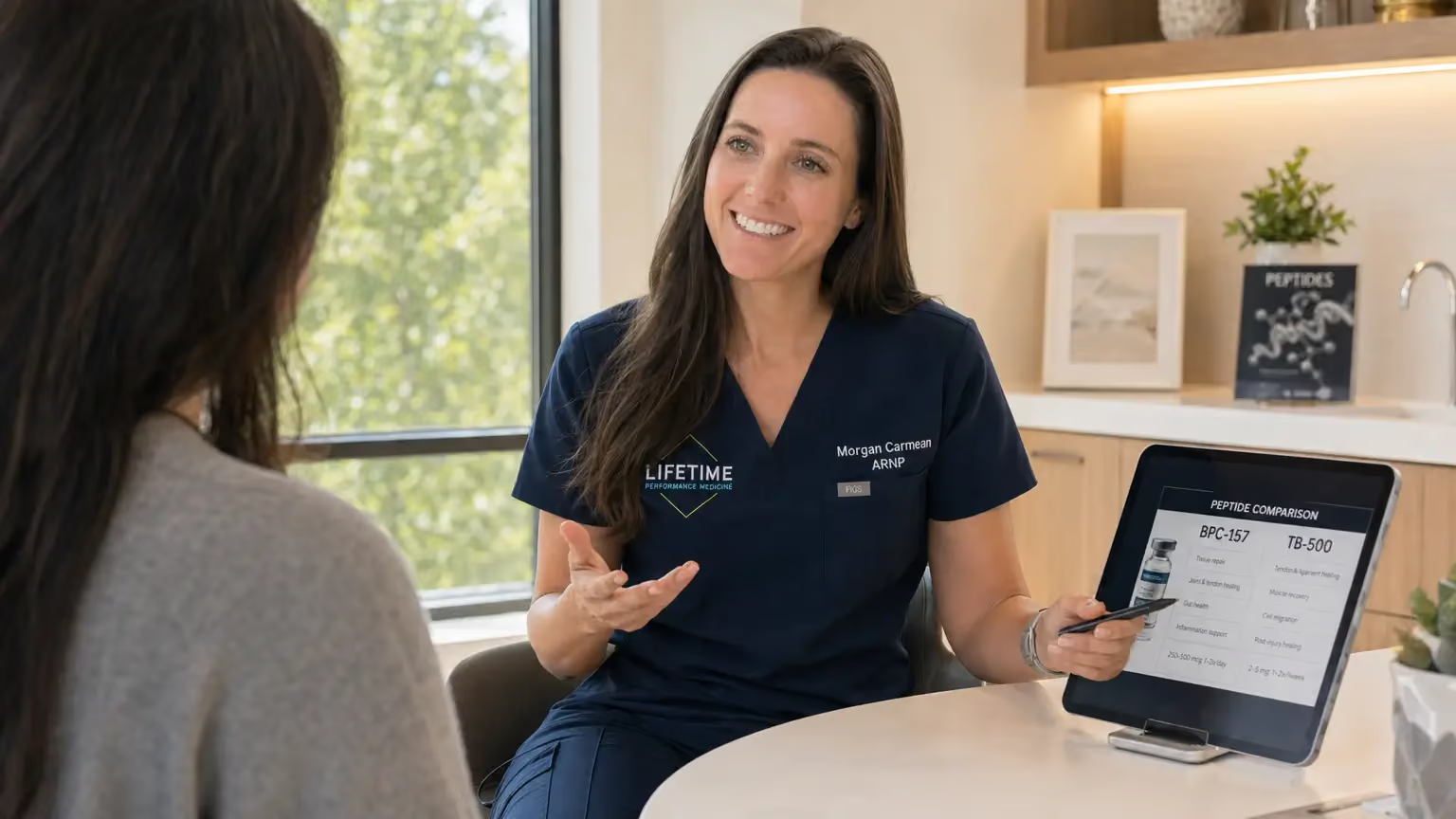
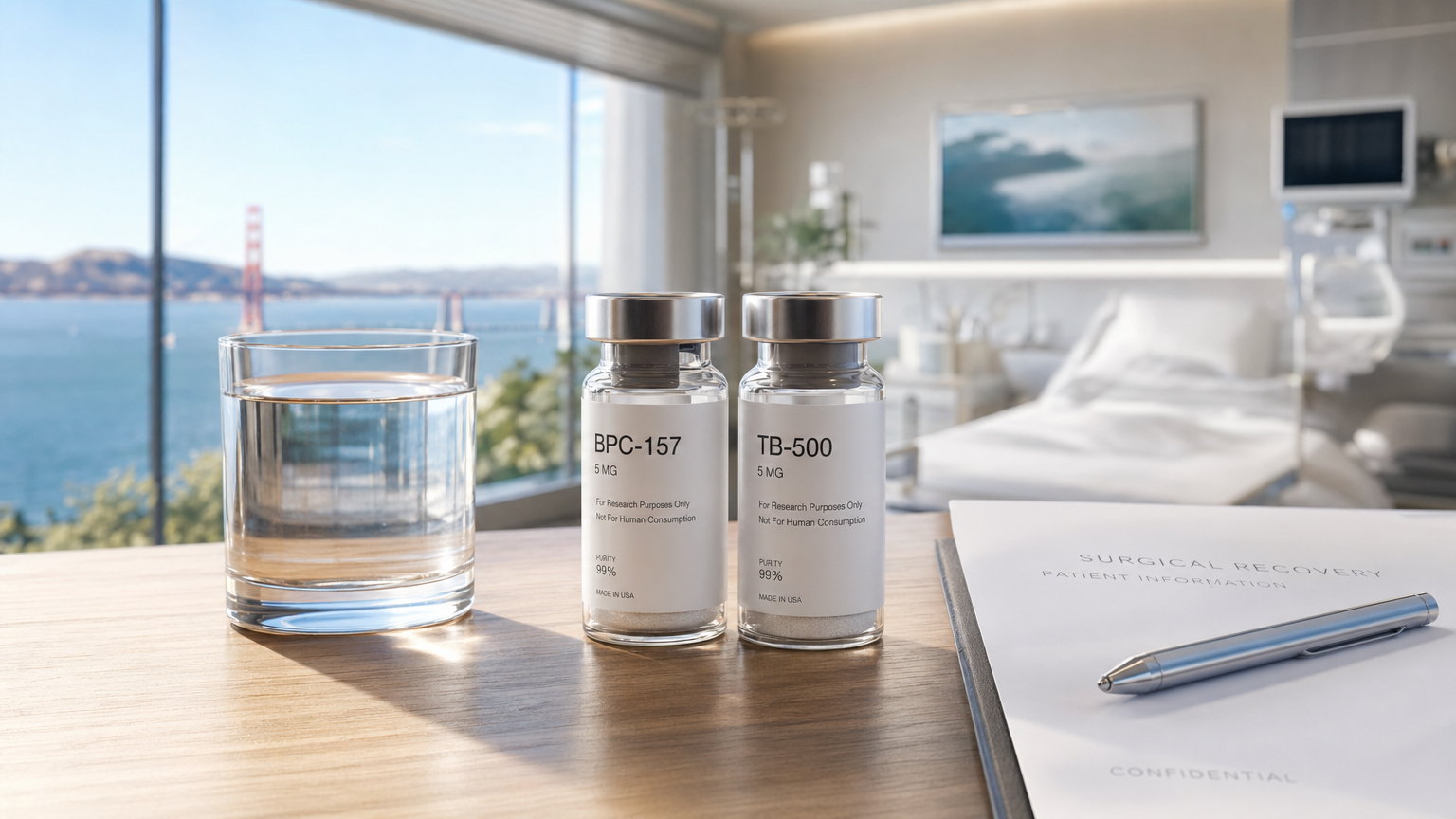
If you search "how to heal faster after surgery" from San Jose or Los Gatos, the top results are increasingly about peptides: BPC-157, TB-500, and various "recovery stacks." What you will not find easily is a side-by-side comparison of those compounds against the recovery methods surgeons have relied on for years. This post is that comparison. It is the conversation I have at our peptide and recovery optimization consultation, and it is not close. The proven methods win on evidence, on safety, and, for most patients, on cost.
For each method I ask three questions: Is there human evidence it improves surgical outcomes? How large is the benefit? What are the known risks? "Human evidence" means controlled trials in people, not rodent studies. That is the standard any surgeon uses before recommending something to a patient, and it is the fair standard for peptides too.
Proven method. Surgery is a metabolic stress; the body needs amino acids to build new tissue and maintain muscle. Pre-operative nutritional screening and protein optimization are built into enhanced-recovery protocols worldwide. Malnourished patients have measurably higher rates of wound complications, infection, and longer hospital stays, and correcting nutrition before surgery improves those numbers. Most adults recovering from an operation do well with roughly 1.2 to 1.5 grams of protein per kilogram of body weight per day, adjusted for kidney function and the specific procedure.
Peptides. No controlled human trial shows BPC-157 or TB-500 improves post-surgical healing. Interestingly, the entire rationale for these compounds is that they are short amino-acid chains that signal tissue repair. The evidence-based way to give your body amino acids for repair is protein you eat.
Verdict: nutrition, decisively.
Proven method. Elevated glucose impairs white-blood-cell function and collagen formation. Across general, cardiac, and orthopedic surgery, poor glycemic control is one of the most consistent predictors of surgical-site infection. Getting an A1c into a reasonable range before elective surgery, and keeping glucose controlled in the days after, lowers infection risk. This applies whether or not you have a diagnosis of diabetes.
Peptides. No human data on surgical outcomes. Some animal work suggests these compounds may affect metabolic signaling, which is one more reason we want to know if you are taking them.
Verdict: glycemic control.
Proven method. This is the single most powerful thing a smoker can do before surgery. Nicotine constricts blood vessels and carbon monoxide reduces oxygen delivery, both of which starve a healing wound. Randomized trials of pre-operative cessation programs show large reductions in wound complications, on the order of 40 to 50 percent, when patients stop at least four weeks before their operation.
Peptides. None of the compounds marketed for recovery has been shown to offset the effect of smoking, and no human evidence supports them as a substitute.
Verdict: smoking cessation, and it is not a fair fight.
Proven method. "Prehab" is structured exercise and conditioning in the weeks before elective surgery. Trials in abdominal and cancer surgery show that patients who enter the operating room with better functional capacity recover function sooner, walk earlier, and have fewer complications. Even four weeks of modest aerobic and resistance work helps.
Peptides. Advocates often claim BPC-157 helps athletes train harder. That claim rests on rodent tendon studies, and the compound is prohibited by WADA in competition. There is no human trial showing it improves surgical readiness.
Verdict: prehabilitation.
Proven method. Getting out of bed and walking within hours of surgery reduces blood clots, pneumonia, and bowel slowdown, and shortens hospital stay. It is a core component of every enhanced-recovery (ERAS) protocol. Our patients after laparoscopic surgery are typically walking the same day.
Peptides. No human evidence.
Verdict: early mobilization.
Proven method. The less tissue you injure, the less there is to heal. Minimally invasive approaches, including robotic hernia repair, reduce pain, wound complications, and recovery time compared with open surgery for many procedures. Choosing an experienced surgeon and the right technique for your anatomy has a larger effect on recovery than anything you can buy online.
Peptides. Not comparable. No compound repairs a poorly done operation, and none is proven to improve a well-done one.
Verdict: technique.
The proven methods above share something the peptides do not: their risks are known and small. The peptides sold online carry three distinct uncertainties. First, they are not FDA-approved, and FDA placed BPC-157 in Category 2 of the 503A bulk substances list because of safety concerns. Second, "research chemical" products have no verified purity or sterility, and an injected product with contamination is a real infection risk in someone with a fresh surgical wound. Third, the mechanisms these compounds are claimed to work through, such as angiogenesis, are not universally desirable in every patient. Unknown risk is still risk.
If you have a limited amount of energy and money to invest in recovering well, put it into protein, blood sugar, quitting smoking, conditioning, walking early, and a good surgeon. Those are the interventions I would choose for myself. If you still want to discuss peptides, bring the product name and source to your consultation and we will review it candidly. Individual results vary. For a related read, see our post on pre-operative optimization beyond standard medical clearance.
If you smoke, stop at least four weeks before surgery. If you do not, focus on protein intake, blood sugar control, and walking early after the operation. All three have strong human evidence.
Combining them does not make the peptides proven, and it adds unknown risk. If you plan to take an unapproved compound, tell your surgeon before your operation so interactions and timing can be reviewed.
Many adults do well with about 1.2 to 1.5 grams per kilogram of body weight daily during recovery, but the right target depends on your procedure, kidney function, and body composition. We set an individualized target in our recovery program.
Yes. Our Recovery Optimization Program covers pre-operative nutrition, metabolic review, prehabilitation, and post-operative milestones, built only on interventions with strong evidence. It is separate from any peptide discussion.
Peptide, hormone, and longevity services are provided through Lifetime Performance Medicine, the wellness and longevity division of Lifetime Surgical, founded by Dr. Richard Nguyen and located in Los Gatos. If you would like to discuss whether any of these therapies are appropriate for your situation, you can book a consultation with Lifetime Performance Medicine.
Lifetime Performance Medicine is an affiliated practice under the same physician ownership. Any therapy discussed is subject to individual medical evaluation, and not all compounds discussed in this article are FDA-approved. Individual results vary.
Wondering which surgical procedure might be right for your condition? We're here to help you understand your treatment options and develop a personalized surgical plan. Contact our office today to schedule a consultation.
Your path to improved health may be more achievable than you think—with advanced surgical techniques leading to faster recovery, reduced complications, and a significantly enhanced quality of life.
.avif)