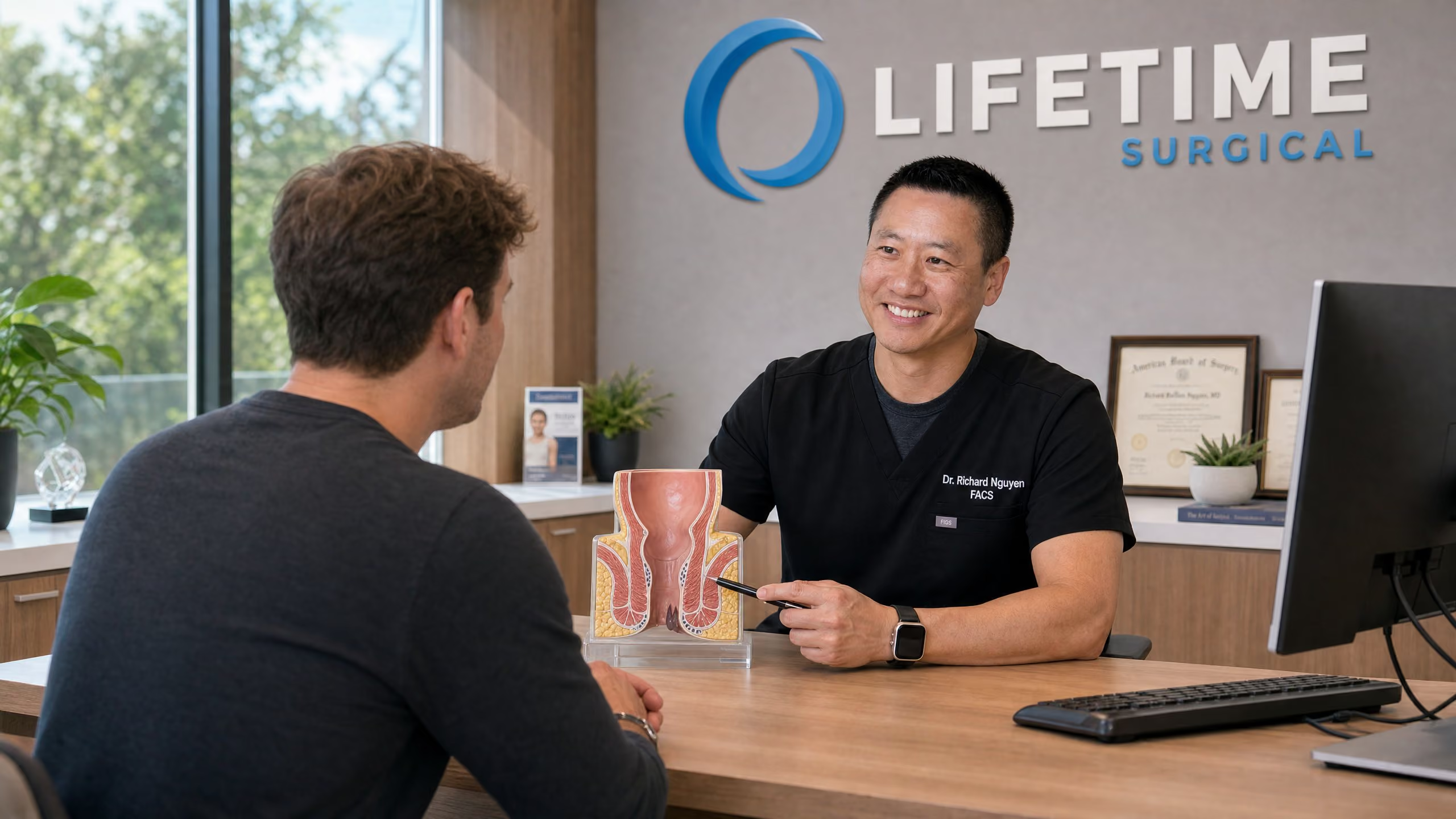
An inguinal hernia occurs when tissue, such as part of the intestine, protrudes through a weak spot in the abdominal muscles. The resulting bulge can be painful, especially when you cough, bend over, or lift a heavy object. While not necessarily dangerous by themselves, inguinal hernias do not improve or go away on their own and can lead to life-threatening complications if left untreated. This is a direct answer to the question of what an inguinal hernia is, providing a clear and concise explanation for patients seeking information.
The most common symptom of an inguinal hernia is a bulge in the groin area on either side of your pubic bone. This bulge may become more obvious when you're upright, especially if you cough or strain. Other symptoms include a burning or aching sensation at the bulge, pain or discomfort in your groin, a heavy or dragging sensation in your groin, weakness or pressure in your groin, and occasionally, pain and swelling around the testicles when the protruding intestine descends into the scrotum.
Inguinal hernia surgery is performed to repair the weakness in the abdominal wall and return the protruding tissue to its proper place. The procedure can be done using either open surgery or minimally invasive laparoscopic techniques. During open surgery, an incision is made in the groin, and the hernia is pushed back into the abdomen. The weakened muscle is then repaired, often with a synthetic mesh to provide additional support. Laparoscopic surgery involves making several small incisions in the abdomen, through which a laparoscope and specialized surgical instruments are inserted to perform the repair.
At Lifetime Surgical, we are dedicated to providing the highest quality surgical care to our patients in San Jose, Los Gatos, the South Bay, and the greater Bay Area. Dr. Richard Nguyen and our team of experienced surgeons utilize the latest surgical techniques and technologies to ensure optimal outcomes and a smooth recovery. We understand that undergoing surgery can be a stressful experience, which is why we prioritize patient education, comfort, and personalized care throughout the entire process.
Recovery from inguinal hernia surgery varies depending on the type of procedure performed and the individual patient. In general, most patients can return to light activities within a few days and resume normal activities, including work and exercise, within a few weeks. It is important to follow your surgeon's post-operative instructions carefully, which may include avoiding heavy lifting and strenuous activities for a certain period of time. Our team at Lifetime Surgical will provide you with comprehensive guidance and support throughout your recovery journey.
Inguinal hernias can develop for a variety of reasons. Some individuals are born with a weakness in the abdominal wall that makes them more susceptible to hernias later in life. Others may develop a hernia due to factors that increase pressure within the abdomen, such as chronic coughing, heavy lifting, straining during bowel movements or urination, pregnancy, and obesity. In some cases, a combination of these factors can contribute to the development of an inguinal hernia.
Diagnosing an inguinal hernia typically involves a physical examination by a healthcare professional. During the exam, your doctor will check for a bulge in the groin area and may ask you to cough or strain to make the hernia more prominent. In some cases, imaging tests such as an ultrasound, CT scan, or MRI may be ordered to confirm the diagnosis or evaluate the extent of the hernia.
While some inguinal hernias may not cause significant symptoms initially, they can worsen over time and lead to serious complications. One of the most severe complications is a strangulated hernia, which occurs when the protruding tissue becomes trapped and its blood supply is cut off. This is a medical emergency that requires immediate surgical intervention to prevent tissue death and other life-threatening consequences. Seeking timely treatment for an inguinal hernia can help prevent these complications and improve your overall quality of life.
Before undergoing inguinal hernia surgery, your surgeon will provide you with specific instructions on how to prepare. This may include fasting for a certain period before the procedure, adjusting your medications, and arranging for someone to drive you home after the surgery. It is important to discuss any questions or concerns you may have with your surgeon to ensure you are fully prepared for the procedure and the recovery process.
After your surgery, you will receive detailed instructions on how to care for your incision, manage pain, and gradually resume your normal activities. It is crucial to attend all scheduled follow-up appointments with your surgeon to monitor your healing progress and address any potential issues. At Lifetime Surgical, we are committed to providing ongoing support and care to ensure a successful recovery and long-term well-being.
If you have been diagnosed with an inguinal hernia but are not yet ready for surgery, there are steps you can take to manage your symptoms and reduce the risk of complications. These may include wearing a supportive truss or belt, avoiding heavy lifting and strenuous activities, maintaining a healthy weight, and treating any underlying conditions that contribute to increased abdominal pressure, such as chronic coughing or constipation. However, it is important to remember that surgery is the only definitive treatment for an inguinal hernia.
Proper nutrition plays a vital role in the healing process after inguinal hernia surgery. Consuming a balanced diet rich in protein, vitamins, and minerals can help support tissue repair and reduce the risk of infection. Staying hydrated and eating high-fiber foods can also help prevent constipation, which can cause straining and discomfort during bowel movements. Your healthcare team can provide personalized dietary recommendations to support your recovery and overall health.
The timeline for returning to work and exercise after inguinal hernia surgery depends on the type of procedure performed and the physical demands of your job or activities. Most patients can return to desk jobs and light activities within a few days to a week. However, if your job involves heavy lifting or strenuous physical labor, you may need to take more time off or request modified duties. When it comes to exercise, it is important to start slowly and gradually increase the intensity and duration of your workouts as guided by your surgeon.
The long-term outlook for patients who undergo inguinal hernia surgery is generally excellent. With proper surgical technique and post-operative care, the risk of recurrence is low. To help prevent future hernias, it is important to maintain a healthy weight, practice good lifting techniques, avoid smoking, and manage any conditions that cause chronic coughing or straining. By taking these preventive measures, you can help protect your abdominal wall and maintain your overall health and well-being.
Inguinal hernias are a common condition that can cause discomfort and lead to serious complications if left untreated. Fortunately, inguinal hernia surgery is a safe and effective treatment option that can provide long-lasting relief and improve your quality of life. At Lifetime Surgical, Dr. Richard Nguyen and our dedicated team are here to provide you with the highest level of care and support throughout your hernia treatment journey. If you are in the San Jose, Los Gatos, South Bay, or Bay Area and are seeking expert hernia care, contact us today to schedule a consultation.
The surgery typically takes about 45 minutes to an hour, depending on the complexity of the hernia and the surgical approach used.
You will be under anesthesia during the procedure, so you will not feel any pain. After the surgery, you may experience some discomfort, which can be managed with prescribed pain medication.
Most patients can resume driving within a week or two after surgery, once they are no longer taking prescription pain medication and feel comfortable performing emergency stops.
While the risk of recurrence is low, especially with the use of synthetic mesh, it is possible for a hernia to return. Following your surgeon's instructions and maintaining a healthy lifestyle can help minimize this risk.
If you are experiencing symptoms of an inguinal hernia or have been diagnosed with one, don't wait to seek treatment. Contact Lifetime Surgical today to schedule a consultation with Dr. Richard Nguyen. Call us at 408-850-0176 or visit our contact page to request an appointment.
At Lifetime Surgical, we believe in empowering our patients with the knowledge and resources they need to make informed decisions about their health. We offer a variety of educational materials, support groups, and counseling services to help you navigate your hernia treatment journey. Our team is always available to answer your questions, address your concerns, and provide the guidance and support you need to achieve the best possible outcomes. We are committed to your health and well-being, and we look forward to partnering with you on your path to recovery.
Related care at Lifetime Surgical: Learn more about inguinal hernia repair and robotic hernia repair with Dr. Richard Nguyen in San Jose & Los Gatos, or schedule a consultation.
Wondering which surgical procedure might be right for your condition? We're here to help you understand your treatment options and develop a personalized surgical plan. Contact our office today to schedule a consultation.
Your path to improved health may be more achievable than you think—with advanced surgical techniques leading to faster recovery, reduced complications, and a significantly enhanced quality of life.
.avif)