
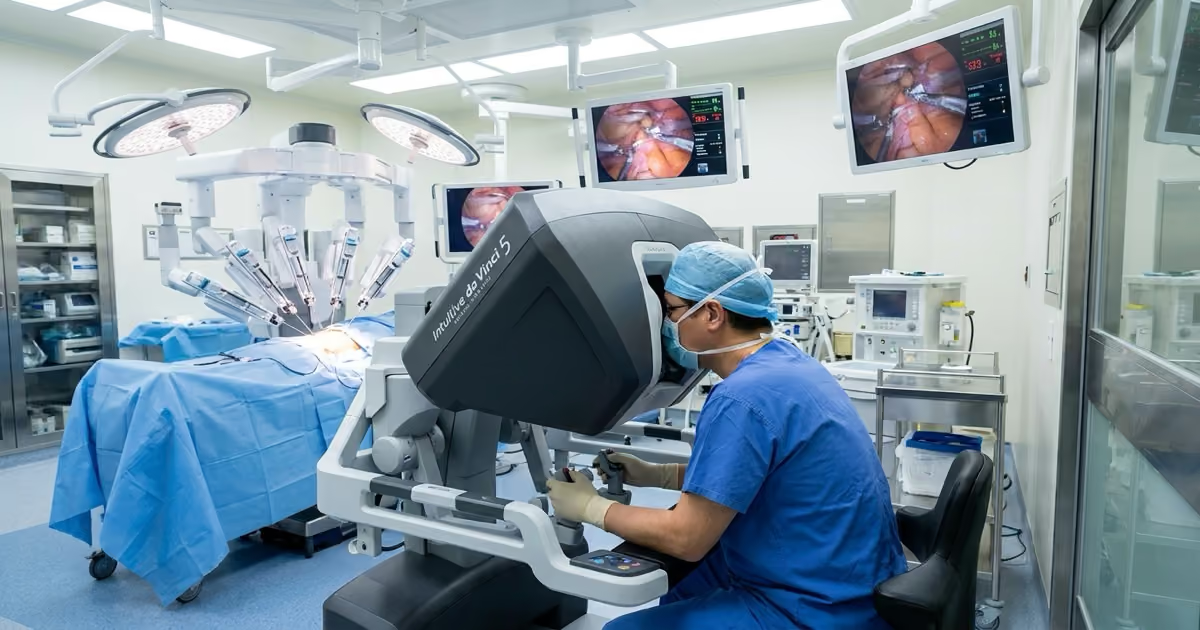
If you've been told you need gallbladder removal surgery — or you're considering it after recurrent attacks of pain — this guide covers everything you need to know. Dr. Richard Nguyen performs laparoscopic cholecystectomy at Lifetime Surgical in San Jose and Los Gatos, helping patients get back to their daily lives quickly and safely. Here is a complete, honest look at what to expect before, during, and after the procedure.
Cholecystectomy is the surgical removal of the gallbladder — a small, pear-shaped organ beneath the liver that stores bile produced by the liver. When the gallbladder develops gallstones or becomes inflamed, it can cause significant pain and serious complications. Removing it is the definitive treatment. The vast majority of cholecystectomies today are performed laparoscopically, meaning through 3–4 small incisions rather than one large opening.
Most patients go home the same day. Life without a gallbladder is completely normal — the liver continues producing bile, which flows directly into the small intestine without needing the gallbladder as an intermediary.
The most common reason for gallbladder removal is gallstones (cholelithiasis) — hardened deposits of digestive fluid that form inside the gallbladder. They can range from the size of a grain of sand to a golf ball, and they often cause no symptoms until they block the bile duct or trigger gallbladder inflammation.
Common conditions that lead to cholecystectomy include:
Symptoms that suggest your gallbladder needs evaluation include severe upper right abdominal pain (especially after fatty meals), nausea and vomiting with pain, pain that radiates to the right shoulder or back, and fever or chills with abdominal pain indicating possible infection.
Laparoscopic cholecystectomy is the gold standard approach. Through 3–4 small incisions (5–10mm each), the surgeon inserts a tiny camera (laparoscope) and specialized instruments to detach and remove the gallbladder. The procedure takes 45–90 minutes under general anesthesia. Benefits over open surgery include smaller incisions, significantly less postoperative pain, faster recovery measured in days rather than weeks, and lower infection risk.
Open cholecystectomy — through a larger single incision — is occasionally necessary when the gallbladder is severely inflamed, densely scarred, or when anatomy makes laparoscopic access unsafe. Dr. Nguyen will discuss which approach is right for your situation during your consultation.
After checking in at the surgery center and meeting with the anesthesia team, you'll be brought to the operating room. Once general anesthesia is administered, Dr. Nguyen makes 3–4 small incisions in the abdomen. Carbon dioxide gas inflates the abdominal cavity to create working space. The laparoscope projects a magnified view on a high-definition monitor. Specialized instruments clip the cystic duct and cystic artery and carefully detach the gallbladder, which is removed through one of the small incisions. The entire procedure typically takes 45–60 minutes.
Most patients wake up in the recovery room within 30–60 minutes after surgery and are discharged home within 1–3 hours. Common experiences include mild nausea, shoulder or neck discomfort from residual CO2 gas, and soreness at the incision sites. Both resolve quickly.
Rest at home. Pain is typically mild to moderate and well-controlled with over-the-counter acetaminophen or a short prescription course. You may shower after 24–48 hours — keep incisions dry. Most people feel significantly better within 3–5 days.
Most patients return to desk work within 1 week and resume driving at 1–2 weeks once off narcotic pain medication. Full physical activity is typically cleared at 2–3 weeks at your follow-up appointment with Dr. Nguyen.
Since the gallbladder stored concentrated bile for fat digestion, a dietary adjustment period is normal. For the first 4–6 weeks: start with clear liquids and advance to soft, low-fat foods as tolerated; limit high-fat and fried foods initially; eat smaller, more frequent meals. Most patients return to a completely normal diet within 4–8 weeks with no permanent restrictions.
Contact Lifetime Surgical or go to the emergency room if you experience fever over 101°F, worsening pain, yellowing of the skin or eyes (jaundice), dark urine or pale stools, significant redness or drainage at incision sites, or inability to keep fluids down.
Laparoscopic cholecystectomy typically takes 45–90 minutes. With pre-op preparation and recovery room monitoring, plan to be at the surgery center for 4–6 hours total on the day of your procedure.
Most patients go home the same day. Overnight hospitalization is occasionally needed for patients with complicated acute cholecystitis, significant medical comorbidities, or when the procedure requires conversion to open surgery.
Yes. The liver continues producing bile, which flows directly into the small intestine. Most people live completely normally without a gallbladder and face no long-term dietary restrictions after a short adjustment period.
Most patients feel well enough for light activity within 3–5 days and return to full normal activity within 2–3 weeks after laparoscopic cholecystectomy.
Laparoscopic cholecystectomy is one of the most commonly performed and safest surgeries in general surgery. Serious complications are rare. Dr. Nguyen will review your specific risk profile, medical history, and imaging before your procedure.
Wondering which surgical procedure might be right for your condition? We're here to help you understand your treatment options and develop a personalized surgical plan. Contact our office today to schedule a consultation.
Your path to improved health may be more achievable than you think—with advanced surgical techniques leading to faster recovery, reduced complications, and a significantly enhanced quality of life.
.avif)


