
Published April 4, 2026
Colorectal cancer is the third most commonly diagnosed cancer in the United States and the second leading cause of cancer death. But when caught early through screening, the five-year survival rate exceeds 90%. Most colorectal cancers start as small polyps that form on the inner lining of the colon. Over 10 to 15 years, some polyps can develop into cancer — which is why screening is so effective.
At Lifetime Surgical, Dr. Richard Nguyen is a board-certified general surgeon with over 15,000 surgeries performed, including extensive experience in colon and abdominal procedures.
You may need screening before age 45 if you have a first-degree relative with colorectal cancer, inflammatory bowel disease (Crohn or ulcerative colitis), a known genetic syndrome (Lynch syndrome, FAP), or history of abdominal radiation.
Colonoscopy (Gold Standard) — every 10 years. Examines entire colon and removes polyps during the procedure.
FIT (fecal immunochemical test) — every year. At-home test detecting hidden blood in stool.
Cologuard (stool DNA test) — every 3 years. Detects DNA markers and blood.
CT colonography — every 5 years. CT scan of the colon.
Important: If any non-colonoscopy test is positive, a follow-up colonoscopy is required.
Clear liquid diet only. Drink prescribed prep solution (usually split-dose). Stay near a bathroom. Tips: chill the solution, use a straw, start eating lighter 2-3 days before.
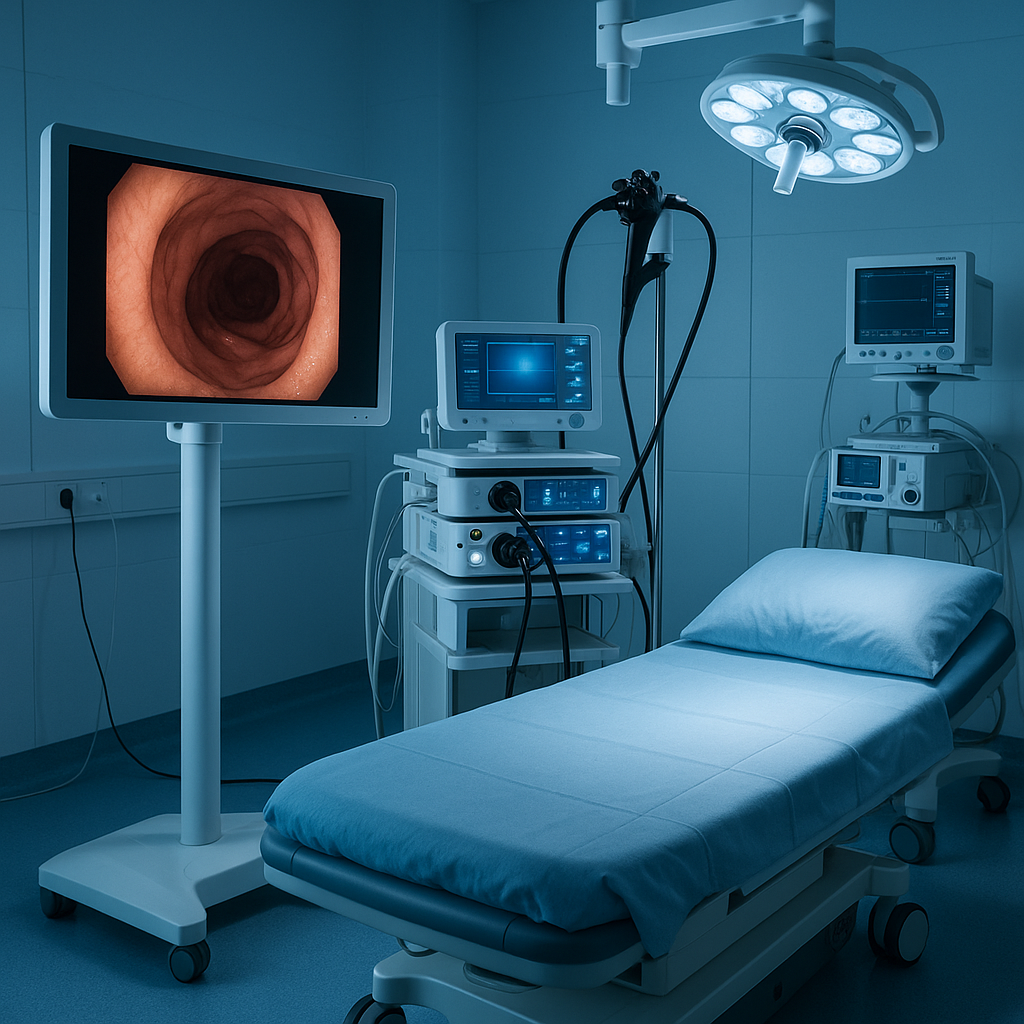
Takes 20-40 minutes. You receive sedation — most patients sleep through it and remember nothing. If polyps are found, they are removed during the procedure (painless). You need someone to drive you home.
Most people feel normal within hours. Mild bloating is common. Resume eating normally. If no polyps found, typically clear for 10 years.
Some polyps are too large for endoscopic removal and require surgical removal — often performed laparoscopically or robotically.
Surgery is the primary treatment for most colorectal cancers. Options include:
At Lifetime Surgical, Dr. Nguyen performs colon resections using minimally invasive techniques whenever possible — shorter hospital stays (2-4 days vs 5-7), less blood loss, and quicker return to activities.
Learn more about abdominal procedures
Patients with Crohn or ulcerative colitis may develop complications requiring surgery: strictures, fistulas, perforation, or dysplasia found on surveillance colonoscopy.
Peptide therapy protocols including BPC-157 and TB-500 are available to support faster healing after major abdominal surgery.
While gastroenterologists perform most screening colonoscopies, surgeons like Dr. Nguyen play a critical role: surgical removal of cancers and complex polyps, emergency surgery for perforated or obstructed colon, IBD complication management, and multidisciplinary care coordination.
Dr. Nguyen expertise with minimally invasive and robotic techniques means even complex colon surgeries can often be performed through small incisions.
Age 45 for average-risk adults. Earlier if you have family history, IBD, or genetic conditions.
No. You receive sedation and most patients sleep through it. The bowel prep is the most unpleasant part.
Every 10 years with normal results. Every 3-5 years if polyps are found.
Treatment depends on stage. Early-stage cancers may be cured with surgery alone. Dr. Nguyen performs minimally invasive colon resections and coordinates with oncology teams.
Stool tests are valid alternatives but cannot remove polyps. If positive, you need a colonoscopy anyway. Colonoscopy remains the gold standard.
If you are 45+ and have not been screened, schedule a colonoscopy. For surgical evaluation, contact Lifetime Surgical.
Lifetime Surgical serves patients throughout San Jose, Los Gatos, Silicon Valley, and the South Bay including Santa Clara, Sunnyvale, Cupertino, Campbell, Saratoga, Mountain View, Palo Alto, Fremont, and Milpitas.
Wondering which surgical procedure might be right for your condition? We're here to help you understand your treatment options and develop a personalized surgical plan. Contact our office today to schedule a consultation.
Your path to improved health may be more achievable than you think—with advanced surgical techniques leading to faster recovery, reduced complications, and a significantly enhanced quality of life.
.avif)


