Published May 6, 2026
By Dr. Richard Nguyen, Fellowship-Trained Surgeon at Lifetime Surgical
When facing the prospect of surgery, one of the most important decisions you and your surgical team will make is determining the best approach for your specific condition. At Lifetime Surgical in San Jose, CA, we specialize in minimally invasive techniques that prioritize patient safety, minimize recovery time, and optimize surgical outcomes. Two of the most advanced and commonly utilized approaches in modern medicine are robotic-assisted surgery and traditional laparoscopic surgery. While both fall under the umbrella of minimally invasive surgery, understanding the key differences between robotic vs laparoscopic surgery is essential for making an informed decision about your healthcare journey.
As a fellowship-trained surgeon at Vanderbilt, I have dedicated my career to mastering these advanced techniques. Whether performing a complex hernia repair, a life-changing bariatric surgery, or addressing severe gastroesophageal reflux disease (GERD), the goal remains the same: to provide the highest standard of care with the least amount of physical trauma to the body. In this comprehensive guide, we will explore how each of these surgical methods works, compare their unique advantages, and help you understand which approach might be best suited for your individual needs.
The primary difference between robotic vs laparoscopic surgery lies in the tools and visualization used by the surgeon. In laparoscopic surgery, the surgeon holds rigid instruments and views a 2D monitor. In robotic surgery, the surgeon sits at a console, viewing a high-definition 3D image while controlling highly articulated robotic arms that mimic the movements of the human hand with enhanced precision and range of motion.
Laparoscopic surgery revolutionized the field of medicine when it became widely adopted in the late 20th century. Before its introduction, most abdominal and pelvic procedures required a large, open incision, which often led to significant pain, extended hospital stays, and prolonged recovery periods. Laparoscopic surgery changed this paradigm by allowing surgeons to perform complex operations through several small incisions, typically ranging from half an inch to an inch in length.
During a laparoscopic procedure, the surgeon inserts a laparoscope—a thin, rigid tube equipped with a high-intensity light and a high-resolution camera—through one of the small incisions. This camera transmits a two-dimensional image of the surgical site to a video monitor in the operating room. The surgeon then inserts specialized, long-handled surgical instruments through the other incisions to perform the operation while watching the monitor.
The benefits of laparoscopic surgery compared to traditional open surgery are well-documented and significant. Patients typically experience less postoperative pain, reduced blood loss, and a lower risk of surgical site infections. Furthermore, the smaller incisions result in minimal scarring and a faster return to normal daily activities. For many routine procedures, such as gallbladder removal or uncomplicated hernia repairs, laparoscopy remains the gold standard and a highly effective approach.
Despite its many advantages, traditional laparoscopy does have certain limitations. The instruments used are rigid and do not have the same range of motion as the human wrist. This can make it challenging to perform intricate maneuvers or suture in tight, confined spaces within the body. Additionally, the two-dimensional view provided by the standard laparoscope lacks depth perception, which requires the surgeon to rely heavily on experience and spatial awareness. Finally, the physical demands of standing over the patient and manipulating long instruments can lead to surgeon fatigue during lengthy or complex procedures.
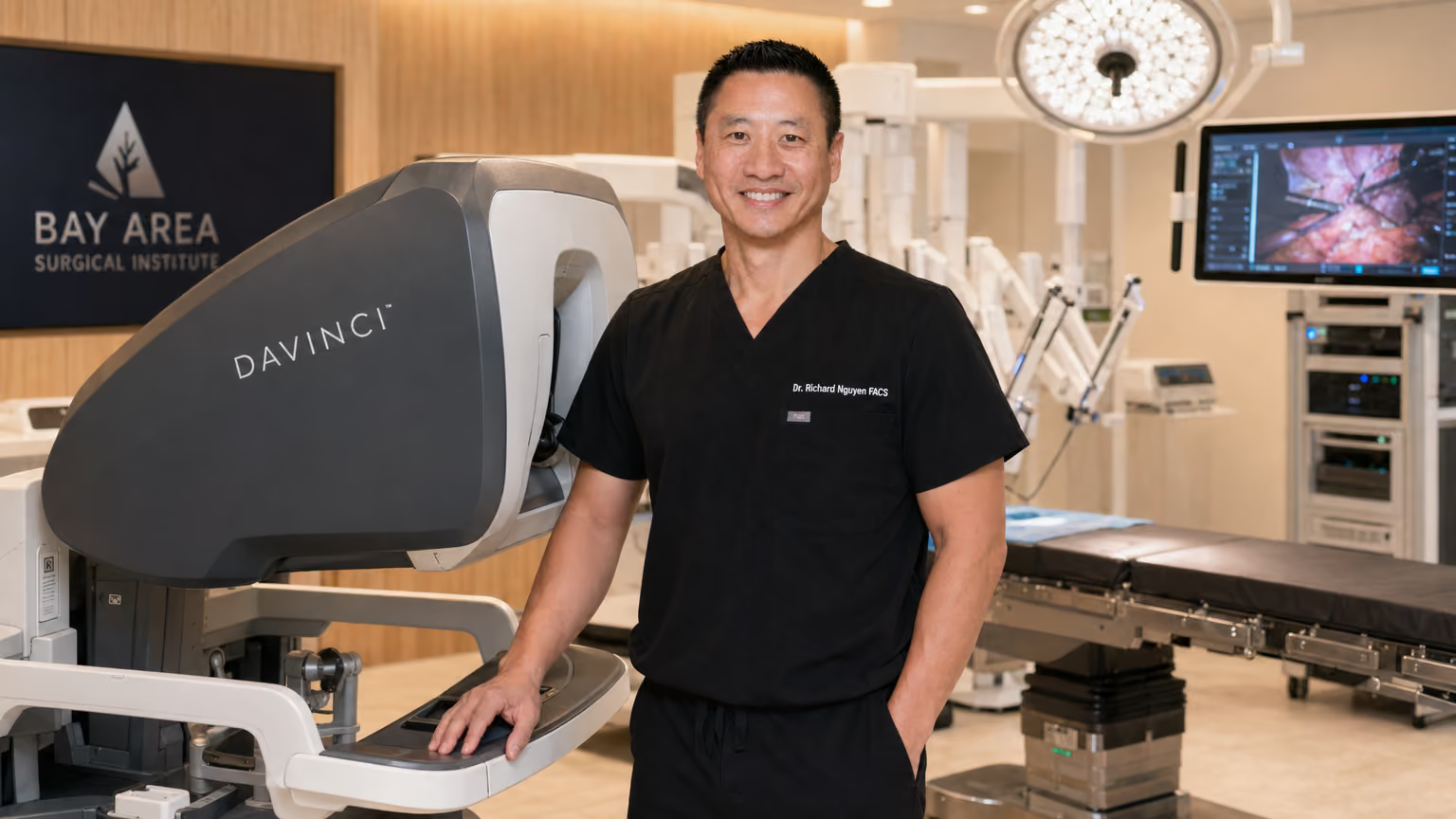
Robotic-assisted surgery, often referred to simply as robotic surgery, represents the next evolutionary step in minimally invasive techniques. The most widely recognized system is the da Vinci Surgical System, which we proudly utilize at Lifetime Surgical. It is crucial to understand that the robot does not perform the surgery autonomously; rather, it is a sophisticated tool that translates the surgeon's hand movements into smaller, more precise actions of tiny instruments inside the patient's body.
In a robotic procedure, the surgeon sits at an ergonomic console located in the operating room, a few feet away from the patient. The console provides a magnified, high-definition, three-dimensional view of the surgical field. Using master controls, the surgeon manipulates the robotic arms, which hold specialized instruments that have been inserted through small incisions similar to those used in laparoscopy.
One of the most significant advantages of robotic surgery is the enhanced visualization it provides. The 3D, high-definition camera offers depth perception and magnification that far exceeds what is possible with the naked eye or a standard 2D laparoscope. This allows the surgeon to see delicate anatomical structures, such as tiny blood vessels and nerves, with extraordinary clarity.
Furthermore, the robotic instruments feature "EndoWrist" technology, which provides a greater range of motion than the human hand. These instruments can bend and rotate in ways that rigid laparoscopic tools cannot, enabling the surgeon to perform complex dissections and precise suturing in tight spaces with unparalleled dexterity. The system also incorporates tremor-filtration technology, which eliminates any natural hand tremors, ensuring that the surgical movements are incredibly smooth and steady.
From a surgeon's perspective, the ergonomic design of the robotic console is a major benefit. Sitting comfortably at the console reduces the physical strain and fatigue associated with standing for hours during a complex operation. This enhanced comfort allows the surgeon to maintain optimal focus and precision throughout the entire procedure, which ultimately benefits the patient.
When evaluating robotic vs laparoscopic surgery, patients are naturally most concerned about their recovery and overall outcomes. Because both approaches are minimally invasive, they share many of the same benefits over open surgery, including smaller incisions, less pain, and shorter hospital stays. However, there are some nuanced differences depending on the specific procedure being performed.
For relatively straightforward operations, the recovery experience between robotic and laparoscopic surgery may be quite similar. However, for more complex procedures, such as intricate hernia repairs, complex bariatric revisions, or delicate foregut surgeries, the enhanced precision of the robotic system can lead to less tissue trauma. This reduction in tissue manipulation can translate to even less postoperative pain, a reduced need for narcotic pain medication, and a slightly faster return to normal activities.
At Lifetime Surgical, we also emphasize comprehensive perioperative care to optimize recovery. For instance, our sister practice, Lifetime Performance Medicine, offers advanced peptide therapy to support tissue healing and accelerate recovery following both robotic and laparoscopic procedures.
While robotic surgery offers remarkable capabilities, it is not necessary for every operation. The decision to use the robotic system depends on the complexity of the procedure, the patient's specific anatomy, and the surgeon's expertise. Some of the procedures that often benefit most from the robotic approach include:
It is important to acknowledge that robotic surgery involves significant capital investment and higher per-procedure costs due to the specialized equipment and instruments required. In many cases, insurance providers cover robotic-assisted surgery just as they would traditional laparoscopic surgery, provided the procedure is deemed medically necessary. However, patients should always consult with their insurance provider and our billing specialists at Lifetime Surgical to understand any potential out-of-pocket costs.
While the cost of robotic surgery may be higher, the potential benefits—such as a shorter hospital stay, fewer complications, and a faster return to work—can offset these initial expenses for many patients.
Ultimately, the choice between robotic vs laparoscopic surgery should be made collaboratively between you and your surgeon. There is no one-size-fits-all answer, and the best approach depends on your unique medical history, the specific condition being treated, and your personal goals.
During your consultation at Lifetime Surgical, we will conduct a thorough evaluation, discuss the pros and cons of each approach in the context of your specific needs, and recommend the surgical plan that offers the highest likelihood of a successful outcome. Whether we proceed with traditional laparoscopy or utilize the advanced capabilities of the da Vinci robot, our commitment remains the same: to provide you with exceptional, compassionate care and the best possible surgical results.
We are proud to serve patients throughout San Jose, Los Gatos, Campbell, Saratoga, the South Bay, and the greater Bay Area, offering world-class surgical expertise close to home.
Both robotic and laparoscopic surgeries are highly safe and effective minimally invasive approaches. The safety of the procedure depends more on the surgeon's experience and the specific patient's condition than the tool itself. However, for highly complex procedures, the enhanced 3D visualization and precision of the robotic system can provide an added margin of safety by allowing the surgeon to navigate delicate anatomy more effectively.
No. Both robotic and laparoscopic surgeries use similar small incisions, typically ranging from half an inch to an inch in length. The cosmetic outcome and scarring are generally identical between the two approaches, resulting in significantly smaller scars compared to traditional open surgery.
Absolutely not. The robotic system is entirely controlled by the surgeon at all times. It cannot make decisions or move independently. The robot is simply a highly advanced tool that translates the surgeon's hand movements into precise actions inside the body, enhancing their capabilities but never replacing their expertise and judgment.
For many routine procedures, the recovery time is very similar. However, for complex surgeries, patients undergoing robotic-assisted procedures may experience slightly less pain and a faster return to normal activities due to the reduced tissue trauma associated with the robot's precise movements. Your surgeon will provide a specific recovery timeline based on your individual procedure.
Ready to discuss your surgical options? Contact Lifetime Surgical today to schedule a consultation with Dr. Richard Nguyen or Dr. Avery Joseph. Call us at 408-850-0176 or visit our contact page to learn more about how our minimally invasive approaches can help you get back to living your best life.
Wondering which surgical procedure might be right for your condition? We're here to help you understand your treatment options and develop a personalized surgical plan. Contact our office today to schedule a consultation.
Your path to improved health may be more achievable than you think—with advanced surgical techniques leading to faster recovery, reduced complications, and a significantly enhanced quality of life.
.avif)