Published May 3, 2026
By Dr. Richard Nguyen, DO, FACS, FACOS
For many patients in San Jose and the greater Bay Area, chronic heartburn and acid reflux are more than just occasional inconveniences—they are daily struggles that severely impact quality of life. While over-the-counter antacids and prescription medications like proton pump inhibitors (PPIs) can offer temporary relief, they often fail to address the underlying anatomical issue causing the symptoms. In many cases, that underlying issue is a hiatal hernia. When medication is no longer enough to manage your symptoms, hiatal hernia surgery in San Jose may be the definitive solution you need to reclaim your comfort and health.
As a fellowship-trained surgeon at Vanderbilt, I have dedicated my career to mastering minimally invasive techniques to treat complex foregut and gastrointestinal conditions. At Lifetime Surgical, we understand the frustration of living with severe gastroesophageal reflux disease (GERD) and the limitations of lifelong medication. In this comprehensive guide, we will explore what a hiatal hernia is, the symptoms it causes, when surgery becomes necessary, the advanced surgical options available, and what you can expect during recovery.
A hiatal hernia occurs when the upper part of your stomach pushes through an opening in your diaphragm and into your chest cavity. The diaphragm is the large muscle that separates your abdomen from your chest and helps you breathe. Normally, your esophagus passes through a small opening in the diaphragm, called the hiatus, to connect to your stomach. When the muscle tissue around this opening becomes weak, the stomach can bulge upward through the hiatus.
There are two main types of hiatal hernias that we frequently diagnose and treat in our San Jose practice:
While small hiatal hernias often cause no signs or symptoms and may never require treatment, larger hiatal hernias can allow food and acid to back up into your esophagus, leading to severe heartburn and GERD. Understanding the mechanics of this condition is the first step toward finding an effective, long-lasting solution.
Many individuals with a small hiatal hernia do not experience any symptoms. However, as the hernia grows larger, it can disrupt the normal function of the lower esophageal sphincter (LES), the valve that prevents stomach acid from flowing backward into the esophagus. This disruption leads to a variety of uncomfortable and sometimes debilitating symptoms that can affect every aspect of your daily routine.
Common symptoms of a hiatal hernia include:
If you are experiencing these symptoms regularly, especially if they are not adequately controlled by medication, it is crucial to seek a medical evaluation. In the South Bay and Los Gatos areas, our team at Lifetime Surgical is equipped to diagnose and treat these complex conditions with precision and care, utilizing advanced diagnostic tools to determine the exact nature and extent of your hernia.
For many patients, the initial approach to managing a hiatal hernia involves lifestyle modifications and medications. Weight loss, eating smaller meals, avoiding trigger foods (such as spicy, fatty, or acidic foods), and elevating the head of the bed can all help reduce symptoms. Medications such as antacids, H2-receptor blockers, and proton pump inhibitors (PPIs) are often prescribed to reduce stomach acid production and alleviate heartburn.
However, surgery becomes necessary when these conservative measures fail to provide adequate relief or when the hernia poses a significant risk to your health. You may be a candidate for hiatal hernia surgery in San Jose if you meet any of the following criteria:
At Lifetime Surgical, we specialize in minimally invasive surgery and robotic surgery techniques for hiatal hernia repair. These advanced approaches offer significant benefits over traditional open surgery, including smaller incisions, less postoperative pain, shorter hospital stays, and faster recovery times.
The primary goals of hiatal hernia surgery are to pull the stomach back down into the abdomen, tighten the opening in the diaphragm to prevent the stomach from bulging through again, and reconstruct the lower esophageal sphincter to prevent acid reflux.
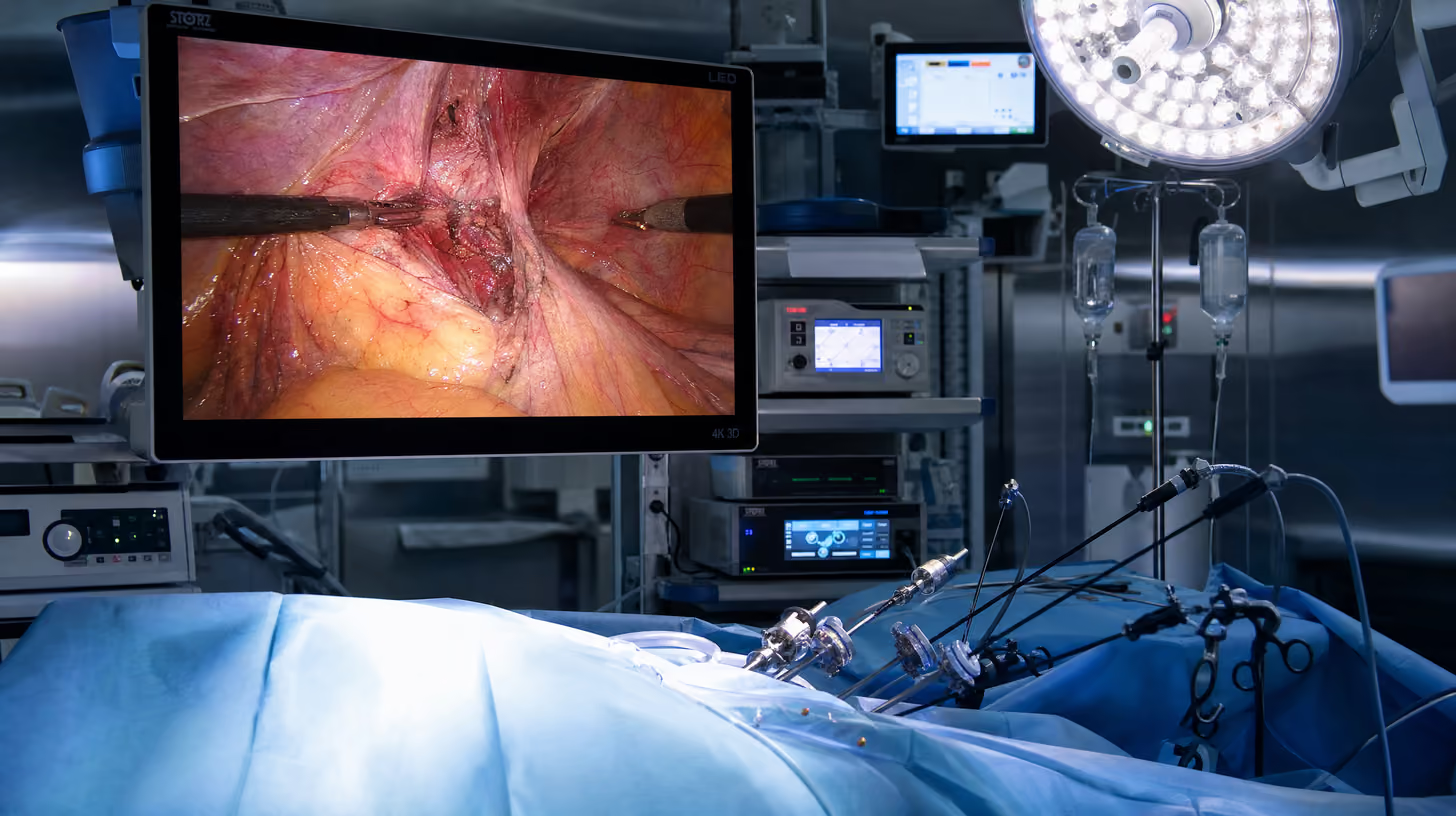
Laparoscopic surgery is the gold standard for hiatal hernia repair. During this procedure, I make several small incisions (usually less than half an inch each) in the abdomen. A laparoscope—a thin tube with a high-definition camera and a light source—is inserted through one of the incisions, providing a magnified, high-resolution view of the surgical area on a monitor. Specialized surgical instruments are inserted through the other incisions to perform the delicate repair.
The stomach is carefully repositioned into the abdominal cavity, and the hiatus (the opening in the diaphragm) is tightened using strong sutures. In some cases, a specialized piece of mesh may be used to reinforce the repair, although as a specialist in hernia repair, I carefully evaluate each patient to determine if a non-mesh approach is appropriate and safe, prioritizing natural tissue repair whenever possible.
To address the underlying GERD and prevent future acid reflux, a procedure called fundoplication is typically performed in conjunction with the hiatal hernia repair. During a fundoplication, the upper part of the stomach (the fundus) is wrapped around the lower portion of the esophagus and stitched in place. This creates a new, stronger valve (sphincter) that prevents stomach acid from backing up into the esophagus.
There are different types of fundoplication, including the Nissen fundoplication (a complete 360-degree wrap) and partial wraps (such as the Toupet or Dor fundoplication). The specific type of wrap chosen depends on the patient's individual anatomy, the severity of their esophageal motility issues, and the results of preoperative testing such as esophageal manometry.
In addition to traditional laparoscopy, we also utilize the da Vinci surgical system for robotic-assisted hiatal hernia repair. This state-of-the-art technology provides enhanced 3D visualization, greater dexterity, and unparalleled precision. The robotic arms mimic the movements of my hands, allowing for meticulous dissection and suturing in the confined space of the hiatus. This approach is particularly beneficial for complex or recurrent hiatal hernias, offering a level of control that surpasses traditional laparoscopic instruments.
Recovery from minimally invasive hiatal hernia surgery is generally much faster and smoother than recovery from traditional open surgery. Most patients spend one night in the hospital for observation and are discharged the following day, ready to begin their healing journey at home.
In the first few days after surgery, it is normal to experience some mild to moderate pain at the incision sites, as well as some discomfort in the shoulders or chest due to the carbon dioxide gas used to inflate the abdomen during the procedure. This pain is typically well-managed with prescribed oral pain medications and usually subsides within a few days.
Dietary modifications are a crucial aspect of the recovery process. Immediately following surgery, you will be placed on a clear liquid diet. Over the next several weeks, you will gradually transition to full liquids, pureed foods, soft foods, and eventually back to a normal solid diet. It is essential to eat small, frequent meals, chew your food thoroughly, and avoid carbonated beverages and tough, dry meats during this transition period to allow the surgical site to heal properly and prevent food from getting stuck in the newly reconstructed valve.
Most patients can return to work and light activities within one to two weeks, depending on the physical demands of their job. Strenuous activities, heavy lifting, and vigorous exercise should be avoided for at least four to six weeks to prevent straining the repair and ensuring long-term success.
At Lifetime Surgical, we are committed to optimizing your recovery. We work closely with our sister practice, Lifetime Performance Medicine, to offer innovative therapies, such as peptide therapy, which can help accelerate tissue healing and reduce inflammation, ensuring you get back to your normal life as quickly and safely as possible.
Choosing the right surgeon and practice for your hiatal hernia repair is a critical decision that can significantly impact your outcomes and overall experience. At Lifetime Surgical, we pride ourselves on delivering premium, patient-centered care that combines surgical excellence with a compassionate approach.
As a board-certified general surgeon with fellowship training from Vanderbilt, I bring a high level of expertise and precision to every procedure. My extensive experience in minimally invasive and robotic techniques ensures that our patients receive the most advanced and effective treatments available. We are not just a clinic; we are a dedicated surgical practice focused on achieving the best possible functional and aesthetic results for our patients in San Jose, Los Gatos, and the broader Bay Area.
We understand that navigating the healthcare system can be overwhelming, which is why we prioritize clear communication, comprehensive education, and personalized support throughout your entire surgical journey. From your initial consultation to your final postoperative visit, our team is here to answer your questions, address your concerns, and guide you every step of the way.
Whether you are exploring bariatric surgery, medical weight loss, or complex foregut procedures, our multidisciplinary approach ensures that all aspects of your health are considered and optimized.
The duration of hiatal hernia surgery typically ranges from 1.5 to 3 hours, depending on the complexity of the hernia, the specific surgical technique used (laparoscopic or robotic), and whether a fundoplication is performed concurrently. Your surgeon will provide a more accurate estimate based on your individual case.
Yes, hiatal hernia surgery is generally considered safe, especially when performed by an experienced, fellowship-trained surgeon using minimally invasive techniques. However, as with any surgical procedure, there are potential risks, including infection, bleeding, injury to surrounding organs, and difficulty swallowing (dysphagia) during the initial recovery period. We thoroughly discuss all risks and benefits with our patients prior to surgery.
The primary goal of hiatal hernia surgery and fundoplication is to eliminate the need for daily acid-reducing medications. The vast majority of patients experience significant or complete relief from their GERD symptoms and are able to discontinue their PPIs or antacids after recovering from the procedure.
While hiatal hernia repair is highly effective, there is a small risk of recurrence over time. Factors that can increase the risk of recurrence include chronic coughing, heavy lifting, severe obesity, and persistent straining. Following your surgeon's postoperative instructions and maintaining a healthy lifestyle can help minimize this risk.
If you are struggling with severe acid reflux or have been diagnosed with a hiatal hernia and medication is no longer providing relief, it may be time to consider surgical intervention. Contact Lifetime Surgical today to schedule a consultation and learn more about how hiatal hernia surgery in San Jose can help you regain your quality of life.
Ready to take the next step? Contact us today or call 408-850-0176 to schedule your consultation with Dr. Richard Nguyen.
Wondering which surgical procedure might be right for your condition? We're here to help you understand your treatment options and develop a personalized surgical plan. Contact our office today to schedule a consultation.
Your path to improved health may be more achievable than you think—with advanced surgical techniques leading to faster recovery, reduced complications, and a significantly enhanced quality of life.
.avif)