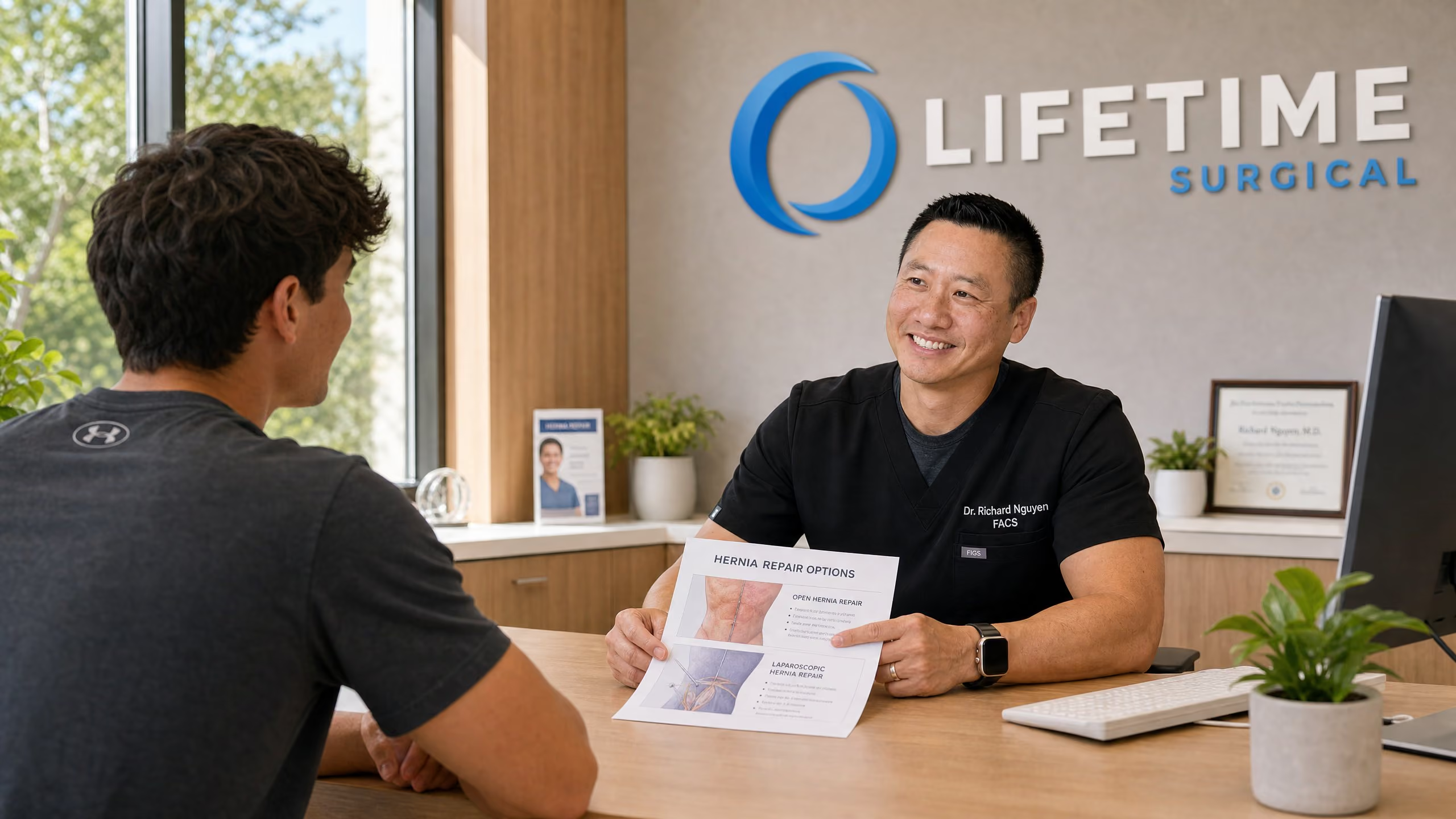
By Dr. Nguyen, FACS
A ventral hernia occurs when tissue bulges through an opening or weak spot in the abdominal wall muscles. This can happen at the site of a previous surgical incision (incisional hernia), around the navel (umbilical hernia), or in other areas of the abdomen. If left untreated, ventral hernias can enlarge, cause significant discomfort, and potentially lead to serious complications such as bowel incarceration or strangulation. Fortunately, surgical repair is highly effective, and advancements in surgical techniques have provided patients with multiple options for treatment.
When considering ventral hernia repair, patients often wonder which surgical approach is best suited for their specific condition. The three primary methods for repairing a ventral hernia are open surgery, laparoscopic surgery, and robotic-assisted surgery. Each approach has its own set of advantages, considerations, and ideal use cases. As a surgeon specializing in advanced hernia repair, I believe it is crucial for patients to understand these options so they can make informed decisions about their care.
In this comprehensive guide, we will explore the differences between open, laparoscopic, and robotic ventral hernia repair options. We will discuss how each procedure is performed, the benefits and potential drawbacks of each, and what patients can expect during the recovery process. Whether you are dealing with a small primary hernia or a complex recurrent incisional hernia, understanding your surgical options is the first step toward a successful recovery and a return to your normal activities.
The main ventral hernia repair options include open surgery, laparoscopic surgery, and robotic-assisted surgery. Open surgery involves a single, larger incision to access and repair the hernia directly. Laparoscopic and robotic surgeries are minimally invasive techniques that use small incisions, specialized instruments, and a camera to perform the repair from within the abdomen. The best option depends on the hernia's size, location, and the patient's medical history.
Open ventral hernia repair is the traditional approach to treating abdominal wall hernias. During this procedure, the surgeon makes an incision directly over the site of the hernia. The protruding tissue or organ is carefully pushed back into its proper place within the abdominal cavity. The surgeon then repairs the weakened area of the abdominal wall, typically by sewing the edges of healthy muscle and fascia together.
In most cases, especially for larger hernias, a piece of surgical mesh is placed over or under the repaired area to provide additional support and reduce the risk of recurrence. The mesh acts as a scaffold, allowing the body's natural tissues to grow into it and create a strong, durable repair. The incision is then closed with sutures, staples, or surgical glue.
Advantages of Open Surgery:
Considerations for Open Surgery:
Laparoscopic ventral hernia repair is a minimally invasive approach that has become increasingly popular over the past few decades. Instead of a single large incision, the surgeon makes several small incisions (usually three or four) in the abdominal wall, away from the hernia site. A laparoscope—a thin tube with a high-definition camera and a light source—is inserted through one of the incisions, providing a magnified view of the inside of the abdomen on a video monitor.
The abdomen is inflated with carbon dioxide gas to create a working space. The surgeon then inserts specialized, long-handled instruments through the other small incisions to perform the repair. The hernia contents are pulled back into the abdomen, and a piece of surgical mesh is placed over the defect from the inside. The mesh is secured in place using tacks, sutures, or a combination of both.
Advantages of Laparoscopic Surgery:
Considerations for Laparoscopic Surgery:
Robotic-assisted ventral hernia repair represents the latest advancement in minimally invasive hernia surgery. Like laparoscopic surgery, it involves small incisions and the use of a camera and specialized instruments. However, in robotic surgery, the surgeon sits at a console in the operating room and controls a sophisticated robotic system that holds and manipulates the instruments.
The robotic system provides a highly magnified, 3D, high-definition view of the surgical field. The robotic arms have a greater range of motion than the human hand, allowing for precise, tremor-free movements. This enhanced dexterity enables the surgeon to perform complex tasks, such as suturing the hernia defect closed before placing the mesh, with greater ease and precision than is often possible with traditional laparoscopy.
Advantages of Robotic Surgery:
Considerations for Robotic Surgery:
Choosing the best ventral hernia repair option is a collaborative process between you and your surgeon. There is no single "best" approach for everyone; the ideal method depends on a variety of factors unique to your situation. During your consultation, your surgeon will conduct a thorough evaluation to determine the most appropriate surgical plan.
Key factors that influence the choice of surgical approach include:
It is essential to have an open and honest discussion with your surgeon about your goals, concerns, and expectations. Ask questions about why a particular approach is being recommended, what the potential risks and benefits are, and what the recovery process will entail. A well-informed patient is better equipped to make decisions that align with their health and lifestyle needs.
Regardless of whether an open, laparoscopic, or robotic approach is used, the use of surgical mesh is a common and critical component of most ventral hernia repairs. The primary purpose of the mesh is to reinforce the weakened area of the abdominal wall and reduce the tension on the repaired tissues.
Historically, hernias were repaired simply by sewing the edges of the defect together (primary closure). However, this approach often resulted in high recurrence rates because the tissues were under significant tension. The introduction of surgical mesh revolutionized hernia repair by providing a tension-free repair. The mesh acts as a bridge or scaffold, distributing the forces across a wider area and allowing the body's natural tissues to incorporate into the mesh, creating a strong, lasting repair.
There are various types of surgical mesh available, including synthetic meshes (made from materials like polypropylene or polyester) and biologic meshes (derived from human or animal tissue). The choice of mesh depends on the specific clinical situation, the surgical approach, and the surgeon's preference. Your surgeon will discuss the type of mesh being used and address any questions or concerns you may have.
The recovery process following ventral hernia repair varies depending on the surgical approach, the size of the hernia, and the individual patient. However, there are some general guidelines and expectations that apply to most patients.
Immediate Postoperative Period:
After surgery, you will be monitored in a recovery area until the anesthesia wears off. If you had a minimally invasive (laparoscopic or robotic) repair, you may be able to go home the same day or after a short observation period. Open repairs, especially for larger hernias, often require a hospital stay of one or more days.
Pain and discomfort are normal after surgery. Your surgeon will prescribe pain medication to help manage this. You may also experience some swelling, bruising, and a feeling of tightness in the abdomen.
Activity Restrictions:
It is crucial to follow your surgeon's instructions regarding activity restrictions to ensure proper healing and prevent recurrence. In general, you will be advised to avoid heavy lifting, strenuous exercise, and activities that strain the abdominal muscles for several weeks.
However, light activity, such as walking, is encouraged starting the day after surgery. Walking helps prevent complications such as blood clots and promotes bowel function. You can gradually increase your activity level as tolerated and as directed by your surgeon.
Return to Work:
The timeline for returning to work depends on the physical demands of your job and the type of surgery you had. Patients with desk jobs who undergo minimally invasive repair may be able to return to work within a week or two. Those with physically demanding jobs or who undergo open repair may need several weeks or more before they can safely resume their duties.
Long-Term Care:
To maintain the integrity of your hernia repair and reduce the risk of recurrence, it is important to adopt healthy lifestyle habits. This includes maintaining a healthy weight, avoiding smoking (which impairs healing and increases the risk of complications), and using proper lifting techniques.
At Lifetime Surgical, we understand that dealing with a ventral hernia can be stressful and disruptive to your life. Our team of highly skilled and experienced surgeons is dedicated to providing compassionate, personalized care and utilizing the most advanced surgical techniques to ensure optimal outcomes for our patients in San Jose, Los Gatos, the South Bay, and the greater Bay Area.
We offer a comprehensive range of ventral hernia repair options, including open, laparoscopic, and robotic-assisted approaches. Our surgeons are experts in minimally invasive techniques, which often result in less pain, faster recovery, and smaller scars. We take the time to thoroughly evaluate each patient, discuss all available options, and develop a customized treatment plan tailored to their specific needs and goals.
If you are experiencing symptoms of a ventral hernia or have been diagnosed with one, do not delay seeking treatment. Early intervention can prevent complications and improve your quality of life. Contact Lifetime Surgical today to schedule a consultation and take the first step toward a successful recovery.
The duration of the surgery depends on the size and complexity of the hernia, as well as the surgical approach used. A straightforward laparoscopic or robotic repair may take 1 to 2 hours, while a complex open repair with extensive reconstruction can take several hours.
The size of the scar depends on the surgical approach. Open surgery typically results in a larger, more noticeable scar. Laparoscopic and robotic surgeries use small incisions, resulting in minimal scarring that often fades significantly over time.
Some swelling and a firm ridge under the incision are normal during the initial healing process. This is often due to fluid accumulation (seroma) or the body's natural inflammatory response to the mesh. However, if you notice a new, distinct bulge or experience increasing pain, you should contact your surgeon, as this could indicate a recurrence or other complication.
You should avoid strenuous exercise and heavy lifting for at least 4 to 6 weeks after surgery, or as directed by your surgeon. Light activities like walking are encouraged early on. Your surgeon will provide specific guidelines on when it is safe to gradually resume your normal exercise routine.
While modern surgical techniques and the use of mesh have significantly reduced recurrence rates, there is always a small risk that a hernia can come back. Factors that increase the risk of recurrence include obesity, smoking, chronic coughing, and engaging in heavy lifting too soon after surgery. Following your surgeon's postoperative instructions and maintaining a healthy lifestyle can help minimize this risk.
Ready to discuss your ventral hernia repair options? Contact Lifetime Surgical today at 408-850-0176 or visit our contact page to schedule a consultation with Dr. Nguyen.
Related care at Lifetime Surgical: Learn more about ventral & incisional hernia repair and non-mesh hernia repair with Dr. Richard Nguyen in San Jose & Los Gatos, or schedule a consultation.
Wondering which surgical procedure might be right for your condition? We're here to help you understand your treatment options and develop a personalized surgical plan. Contact our office today to schedule a consultation.
Your path to improved health may be more achievable than you think—with advanced surgical techniques leading to faster recovery, reduced complications, and a significantly enhanced quality of life.
.avif)