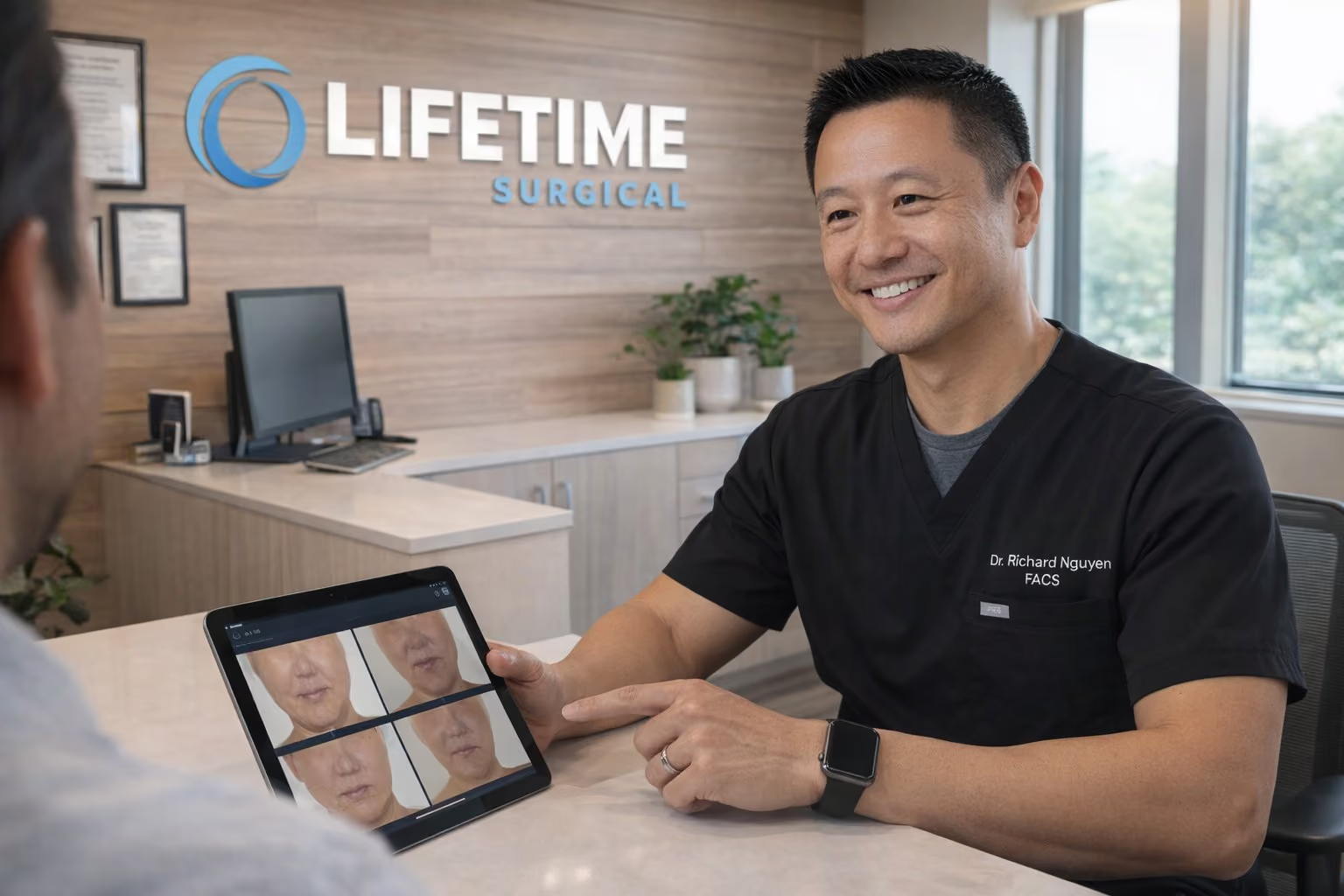
As a board-certified surgeon with a fellowship in advanced laparoscopic and bariatric surgery, I, Dr. Richard Nguyen, understand the complexities and emotional journey associated with weight loss surgery. For many, bariatric surgery is a life-changing decision, offering a new lease on health and well-being. However, sometimes, the initial procedure may not yield the desired long-term results, or complications may arise. In such cases, revision bariatric surgery can be a viable and effective solution, offering a path toward renewed success and improved quality of life. At Lifetime Surgical, serving patients from San Jose, Los Gatos, the broader South Bay, and throughout the Bay Area, we are dedicated to providing comprehensive care for those considering revision procedures.
Revision bariatric surgery refers to a secondary procedure performed to alter or correct a previous weight loss surgery. This can be due to insufficient weight loss, weight regain, or the development of complications such as severe reflux, ulcers, or nutritional deficiencies. It's a complex field that requires a deep understanding of various bariatric procedures and their potential challenges. Our team at Lifetime Surgical has extensive experience in these intricate cases, ensuring you receive expert care.
There are several reasons why a patient might consider or require revision bariatric surgery. These can be broadly categorized into two main areas: inadequate weight loss/weight regain and complications.
For some patients, the initial bariatric surgery may not lead to the expected amount of weight loss, or they may experience significant weight regain over time. This can be incredibly disheartening after undergoing such a significant procedure. Factors contributing to this can include:
Even with successful weight loss, some patients may develop complications that necessitate a revision. These can include:
The decision to undergo revision bariatric surgery is a significant one and requires careful consideration. It's crucial to have a thorough evaluation by an experienced bariatric surgeon to determine if you are a suitable candidate and which revision procedure would be most appropriate for your specific situation. Our practice offers comprehensive consultations to discuss your options for revision bariatric surgery.
Direct Answer: The success rate of revision bariatric surgery varies depending on the type of initial surgery, the reason for revision, and the specific revision procedure performed. Generally, patients can expect significant improvement in weight loss and resolution of complications, though results may differ from the primary surgery.
The type of revision surgery performed depends on the original procedure and the issues being addressed. Some common revision procedures include:
If a patient has undergone a Roux-en-Y gastric bypass and is experiencing issues, revision options might include:
For patients who initially had a sleeve gastrectomy, revision options could be:
Gastric bands are often revised due to complications or inadequate weight loss. Options include:
Before recommending revision bariatric surgery, a comprehensive evaluation is essential. This typically involves:
Recovery from revision bariatric surgery can be similar to or slightly more involved than the initial procedure, depending on the complexity. Patients will need to adhere to a strict post-operative diet, vitamin supplementation, and regular follow-up appointments. The commitment to lifestyle changes remains paramount for long-term success. Our team provides extensive support and guidance throughout your recovery journey.
Revision bariatric surgery can carry a slightly higher risk due to scar tissue from the previous operation and altered anatomy. However, with an experienced surgeon, the risks are manageable and carefully weighed against the potential benefits.
Weight loss after revision surgery varies widely. While it may not always match the initial weight loss potential of a primary procedure, many patients achieve significant and sustainable weight loss, improving their health and quality of life.
Insurance coverage for revision bariatric surgery depends on your specific policy and the medical necessity of the procedure. Our team can help you navigate the insurance approval process and understand your benefits.
Recovery times vary, but most patients can expect to return to light activities within a few weeks and full activity within 6-8 weeks. Adherence to post-operative instructions is crucial for a smooth recovery.
Yes, revision bariatric surgery can be performed many years after the initial procedure. The key is a thorough evaluation to assess your current health, the status of your previous surgery, and to determine the most appropriate revision approach.
Dr. Richard Nguyen is a distinguished, board-certified surgeon, fellowship-trained in advanced laparoscopic and bariatric surgery. With a commitment to patient-centered care, Dr. Nguyen specializes in providing effective and compassionate solutions for weight loss and complex surgical conditions. His expertise ensures that patients receive the highest standard of care, guiding them through every step of their surgical journey. For more information on bariatric surgery options, including primary and revision procedures, please visit our website at lifetimesurgical.com.
Wondering which surgical procedure might be right for your condition? We're here to help you understand your treatment options and develop a personalized surgical plan. Contact our office today to schedule a consultation.
Your path to improved health may be more achievable than you think—with advanced surgical techniques leading to faster recovery, reduced complications, and a significantly enhanced quality of life.
.avif)