
As Dr. Richard Nguyen, I often encounter patients who have previously undergone hernia repair, only to find themselves facing the challenges of a recurrence. This can be a disheartening experience, leading to frustration, discomfort, and uncertainty about the future. When a previous repair has failed, the need for a specialized approach becomes paramount. This is precisely where the expertise of a recurrent hernia repair specialist truly matters. Understanding the complexities of recurrent hernias and the nuances of revision surgery is critical for achieving a successful, lasting outcome.
A recurrent hernia is essentially a hernia that has reappeared after a surgical repair. This can happen for various reasons, including excessive tension on the repair, inadequate tissue strength, infection, or issues with the surgical technique or materials used in the initial operation. The symptoms are often similar to the original hernia, such as a bulge, pain, or discomfort, but they can sometimes be more pronounced or present differently due to scar tissue from the previous surgery.
Hernias can recur for a multitude of reasons, and identifying the root cause is a crucial step in planning a successful revision. Factors contributing to recurrence can include patient-specific elements like collagen disorders, obesity, chronic cough, or heavy lifting. Surgical factors, such as the type of repair (e.g., primary tissue repair versus mesh repair), the size of the original defect, and the surgeon's experience, also play a significant role. Understanding these underlying causes allows for a more tailored and effective approach to recurrent hernia repair.
When facing a recurrent hernia, the stakes are higher. The anatomy is often altered due to scar tissue from the previous surgery, making the operation more complex. This is why seeking a surgeon who is a recurrent hernia repair specialist is not just beneficial, but often essential. These specialists possess an in-depth understanding of the various types of hernia repairs, the potential pitfalls of initial surgeries, and the advanced techniques required for revision. They are adept at navigating compromised tissues, identifying weakened areas, and employing strategies to reinforce the repair for long-term success.
A specialist will often utilize advanced diagnostic tools, beyond a simple physical examination, to fully assess the recurrent hernia. This might include high-resolution imaging such as CT scans or MRI to precisely map the defect, evaluate the surrounding tissues, and identify any previous mesh complications. This detailed understanding is foundational for planning the most effective surgical strategy.
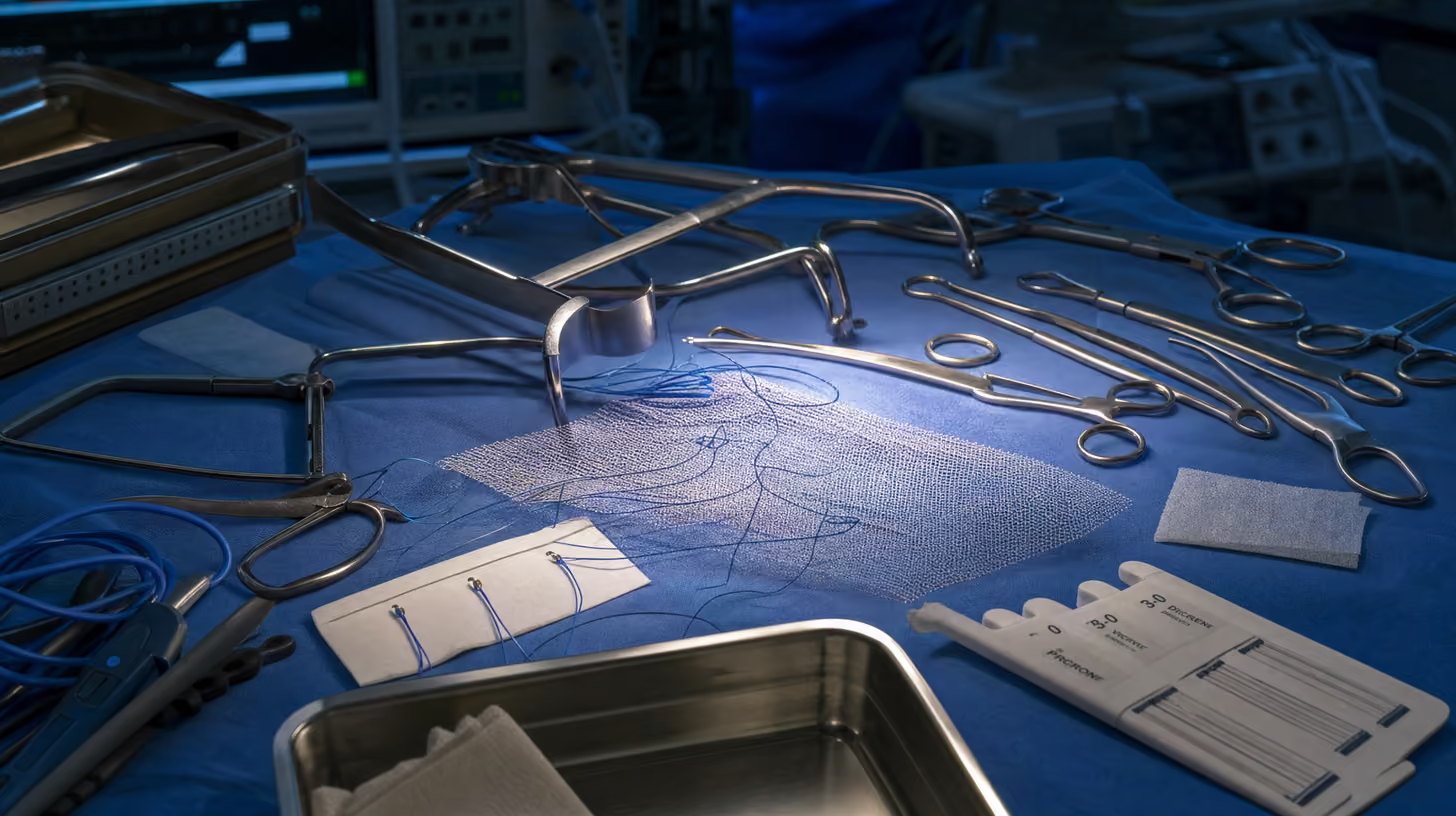
There is no one-size-fits-all solution for recurrent hernias. A recurrent hernia repair specialist will consider a range of surgical options, including different types of mesh (synthetic, biologic), non-mesh repairs, and various surgical approaches (open, laparoscopic, robotic). The choice depends on the individual patient's anatomy, the nature of the recurrence, and their overall health. For instance, in some cases, a non-mesh repair might be preferred, especially if the initial recurrence was due to mesh-related complications. Learn more about our hernia repair options.
Direct Answer: Surgical options for recurrent hernia repair vary widely, encompassing open, laparoscopic, and robotic techniques. The choice depends on the hernia's location, size, and previous repair method. Specialists may use different types of mesh or perform non-mesh repairs, focusing on reinforcing weakened tissues and minimizing recurrence risk.
Minimally invasive surgery, including laparoscopic and robotic approaches, offers significant advantages for recurrent hernia repair. These techniques involve smaller incisions, leading to less pain, reduced recovery times, and a lower risk of complications compared to traditional open surgery. For recurrent cases, the precision and enhanced visualization offered by robotic surgery can be particularly beneficial in navigating complex anatomy and scar tissue. Explore our minimally invasive surgery options.
Recovery from recurrent hernia repair is a critical phase that requires careful management. A specialist will provide comprehensive post-operative instructions, including guidance on pain management, activity restrictions, and wound care. Follow-up appointments are essential to monitor healing, address any concerns, and ensure the long-term success of the repair. Patient adherence to these guidelines plays a significant role in preventing future recurrences.
The decision of who performs your recurrent hernia repair should not be taken lightly. Look for a surgeon with extensive experience specifically in revision hernia surgery. Board certification, fellowship training, and a track record of successful outcomes are all indicators of a highly qualified recurrent hernia repair specialist. Don't hesitate to ask about their experience with cases similar to yours and their preferred surgical techniques.
A hernia can recur at any time after surgery, from weeks to several years later. The timing often depends on the underlying cause of the recurrence, such as the strength of the initial repair, patient activity levels, and biological factors.
Yes, recurrent hernia repair is generally more complex than the initial surgery. This is due to the presence of scar tissue, altered anatomy, and potentially weakened tissues from the previous operation, requiring specialized surgical expertise.
The chances of a second recurrence are higher than the first, but a skilled recurrent hernia repair specialist can significantly reduce this risk by employing advanced techniques and addressing the specific factors that led to the initial failure.
The use of mesh in recurrent hernia repair depends on various factors, including the type and size of the hernia, the quality of surrounding tissues, and whether mesh was used in the initial repair. A specialist will discuss the best approach for your individual case, including non-mesh options if appropriate.
Wondering which surgical procedure might be right for your condition? We're here to help you understand your treatment options and develop a personalized surgical plan. Contact our office today to schedule a consultation.
Your path to improved health may be more achievable than you think—with advanced surgical techniques leading to faster recovery, reduced complications, and a significantly enhanced quality of life.
.avif)


