
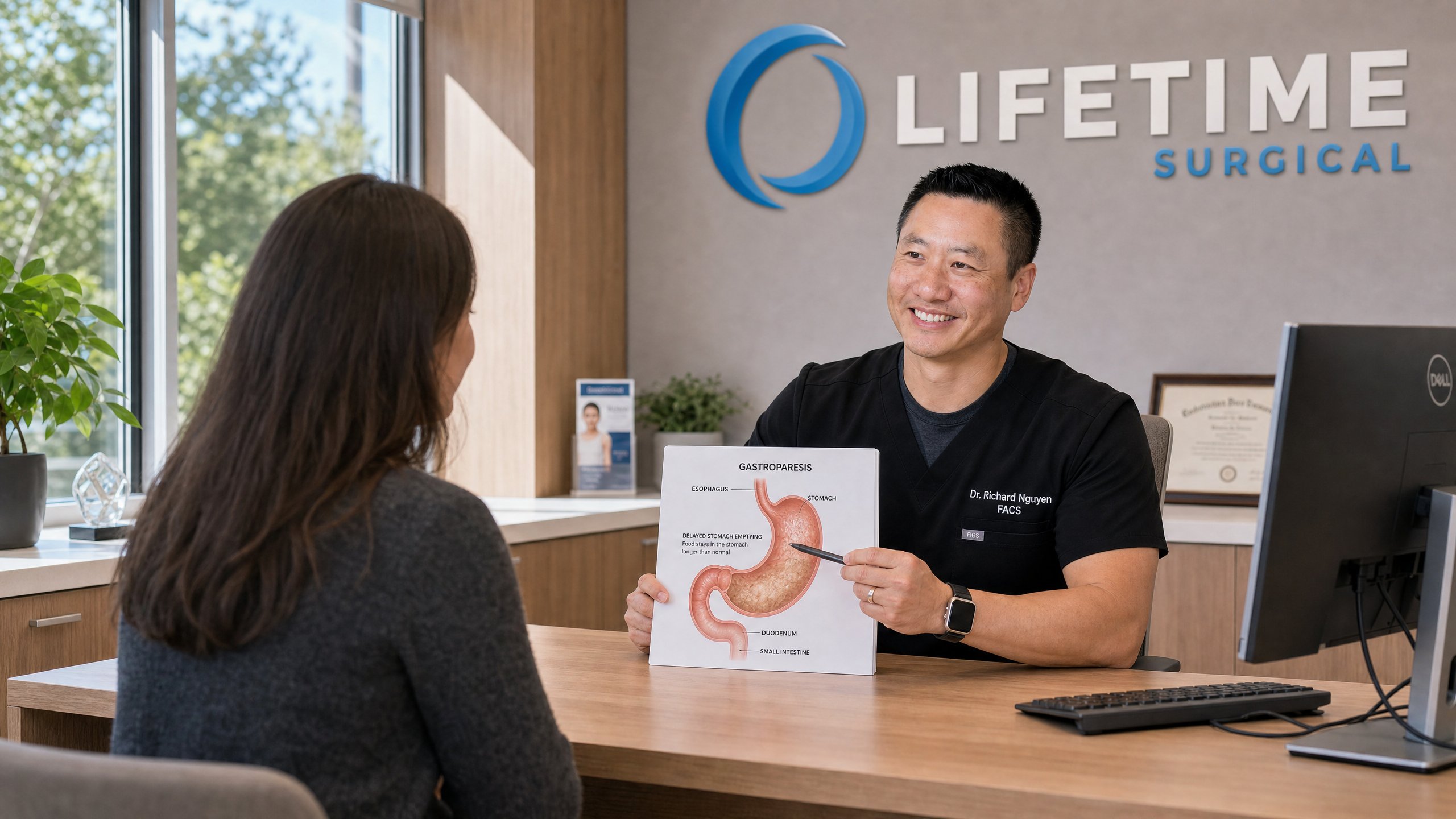
As Dr. Richard Nguyen, a board-certified and fellowship-trained surgeon specializing in advanced laparoscopic and bariatric surgery, I've seen firsthand the debilitating effects of gastroparesis. This condition, often referred to as delayed gastric emptying, can significantly impact a patient's quality of life, leading to persistent nausea, vomiting, bloating, and early satiety. While medications are often the first line of defense, for many, they simply aren't enough. This is where gastroparesis surgery treatment options become a crucial consideration, offering a path to relief when conventional methods fall short. My commitment is to provide comprehensive, patient-centered care, exploring every avenue to restore comfort and function.
Gastroparesis is a complex disorder where the stomach muscles don't function properly, preventing food from moving into the small intestine. This isn't a blockage; rather, it's a problem with the nerves and muscles that control stomach emptying. The vagus nerve, which plays a vital role in this process, can be damaged by various factors, leading to the characteristic symptoms. Understanding the underlying mechanisms is the first step toward effective management and considering appropriate gastroparesis surgery treatment options.
Gastroparesis can stem from a variety of causes, with diabetes being the most common culprit. High blood sugar levels can damage the vagus nerve over time, leading to diabetic gastroparesis. Other potential causes include viral infections, certain medications (especially opioids and anticholinergics), neurological conditions like Parkinson's disease or multiple sclerosis, and even some autoimmune diseases. In many cases, however, the cause remains unknown, a condition referred to as idiopathic gastroparesis.
The symptoms of gastroparesis can range from mild to severe and often significantly interfere with daily life. Patients commonly experience chronic nausea, vomiting of undigested food (sometimes hours after eating), abdominal bloating, early fullness after starting a meal, abdominal pain, and a lack of appetite. These symptoms can lead to significant weight loss, malnutrition, and dehydration, necessitating a thorough evaluation and discussion of gastroparesis surgery treatment options if conservative measures fail.
Gastroparesis surgery treatment options are typically considered when medical management, including dietary modifications and medications, has proven ineffective in controlling symptoms and improving quality of life. This often means patients have tried various antiemetics, prokinetics, and dietary adjustments without sustained relief. For these individuals, the persistent symptoms can lead to severe nutritional deficiencies, frequent hospitalizations, and a profound impact on their overall well-being. It's at this critical juncture that we, as surgeons, begin to evaluate the potential benefits and risks of surgical interventions.
The decision to pursue surgery is a collaborative one, involving the patient, their gastroenterologist, and the surgical team. A comprehensive assessment is crucial, which includes reviewing diagnostic tests such as gastric emptying studies, endoscopy, and sometimes manometry. The goal is to confirm the diagnosis, rule out any mechanical obstructions, and determine the severity of the condition. Only after a thorough evaluation can we confidently recommend the most appropriate gastroparesis surgery treatment options tailored to the individual's needs.
The primary gastroparesis surgery treatment options available include gastric electrical stimulation, pyloroplasty, and in rare, severe cases, gastrectomy. Each procedure aims to alleviate symptoms by improving gastric emptying or reducing nausea and vomiting, offering hope to patients who have exhausted other avenues. The choice of procedure depends on the individual patient's condition, the underlying cause of gastroparesis, and the severity of their symptoms.
Gastric electrical stimulation (GES) involves implanting a small device, similar to a pacemaker, under the skin of the abdomen. This device delivers mild electrical pulses to the stomach muscles, which can help to normalize gastric contractions and reduce symptoms like nausea and vomiting. While GES doesn't always accelerate gastric emptying significantly, it has shown considerable success in improving the quality of life for many patients, particularly those with diabetic or idiopathic gastroparesis. The procedure is minimally invasive, often performed laparoscopically, and offers a reversible option for symptom management.
The mechanism by which GES works is not fully understood, but it is believed to modulate the neural pathways involved in gastric motility and sensation. Patients often report a significant reduction in nausea and vomiting episodes, leading to improved appetite and nutritional status. The device settings can be adjusted externally, allowing for personalized therapy. As with any surgical intervention, careful patient selection and thorough preoperative evaluation are essential to maximize the chances of a successful outcome with this gastroparesis surgery treatment option.
Pyloroplasty is a surgical procedure that involves widening the pylorus, the muscular valve that connects the stomach to the small intestine. In some cases of gastroparesis, the pyloric sphincter may be abnormally tight or fail to relax properly, impeding the flow of food. By surgically enlarging this opening, pyloroplasty aims to facilitate gastric emptying and alleviate symptoms. This procedure can be performed using traditional open surgery or, more commonly, through minimally invasive laparoscopic techniques. For patients whose gastroparesis is primarily related to pyloric dysfunction, this can be a highly effective gastroparesis surgery treatment option.
There are several types of pyloroplasty, including Heineke-Mikulicz, Finney, and Jaboulay pyloroplasties, each with slightly different surgical approaches. The choice of technique depends on the surgeon's preference and the specific anatomical considerations of the patient. Pyloroplasty is often considered for patients who have failed medical therapy and whose gastric emptying studies suggest a significant delay at the pylorus. It can also be performed in conjunction with other procedures, such as vagotomy, in select cases. My expertise in minimally invasive surgery allows for precise and effective execution of this procedure, often leading to quicker recovery times.
For a very small subset of patients with severe, refractory gastroparesis that has not responded to any other medical or surgical interventions, a gastrectomy may be considered. This involves the partial or total removal of the stomach. This is a major, irreversible procedure with significant implications for digestion and nutrition, and it is truly a last resort. The decision to proceed with a gastrectomy is made only after extensive discussion and careful consideration of all other gastroparesis surgery treatment options, and when the patient's quality of life is severely compromised and all other avenues have been exhausted. My experience in bariatric surgery provides a deep understanding of gastric anatomy and function, which is critical in such complex cases.
Patients undergoing gastrectomy will require lifelong nutritional support and close monitoring. The procedure can significantly impact how food is digested and absorbed, often necessitating dietary changes and vitamin supplementation. While it can offer relief from intractable symptoms for some, the potential for long-term complications and altered digestive function means it is approached with extreme caution. This is why exploring less invasive gastroparesis surgery treatment options first is always our priority.
Endoscopic pyloromyotomy, also known as G-POEM (gastric peroral endoscopic myotomy), is a newer, less invasive procedure that involves cutting the muscle of the pyloric sphincter using an endoscope. This technique avoids external incisions and offers a promising alternative to traditional pyloroplasty for some patients. While still relatively new, early results are encouraging, and it represents an evolving area in gastroparesis surgery treatment options.
Beyond gastric electrical stimulation, research continues into other forms of vagus nerve modulation. While not yet a standard gastroparesis surgery treatment option, understanding the vagus nerve's role in gastric motility opens doors for future therapeutic developments. My dedication to staying abreast of the latest advancements ensures that my patients always have access to the most current and effective treatments.
The recovery period after gastroparesis surgery varies depending on the specific procedure performed. Minimally invasive approaches, such as laparoscopic pyloroplasty or GES implantation, typically involve shorter hospital stays and quicker recovery times compared to open surgery or gastrectomy. Patients can expect some pain and discomfort initially, managed with medication, and a gradual return to normal activities. Dietary modifications are often necessary during the recovery phase, with a focus on small, frequent meals and easily digestible foods.
Outcomes also vary. For GES, many patients experience a significant reduction in nausea and vomiting, leading to improved quality of life, even if gastric emptying doesn't fully normalize. Pyloroplasty can offer substantial relief for those with pyloric dysfunction. Gastrectomy, while a major undertaking, can be life-changing for the most severe, refractory cases. The goal of any gastroparesis surgery treatment option is to alleviate symptoms, improve nutritional status, and enhance overall well-being, allowing patients to regain control over their lives.
Choosing the right gastroparesis surgery treatment option requires careful consideration and an open dialogue with your surgical team. It's essential to discuss your symptoms in detail, your medical history, and any previous treatments you've undergone. Be prepared to ask questions about the risks and benefits of each procedure, the expected recovery time, and the potential long-term outcomes. Understanding the commitment involved in post-operative care, including dietary changes and follow-up appointments, is also crucial.
I encourage my patients to be active participants in their treatment journey. We will explore all diagnostic findings, discuss the nuances of each gastroparesis surgery treatment option, and together, determine the best course of action. My priority is to ensure you are fully informed and comfortable with the chosen path, whether it involves a procedure like anti-reflux surgery for related issues or a direct intervention for gastroparesis. My practice in San Jose and Los Gatos is dedicated to providing personalized care, ensuring that every patient receives the attention and expertise they deserve.
Recovery time varies significantly based on the specific surgical procedure. For minimally invasive procedures like gastric electrical stimulation or laparoscopic pyloroplasty, patients might return to light activities within a few weeks. More extensive surgeries, such as gastrectomy, require a longer recovery period, potentially several months, with careful dietary management and follow-up care.
Yes, dietary modifications are almost always necessary after gastroparesis surgery. Initially, a liquid or soft diet is typically recommended, gradually progressing to solid foods as tolerated. Patients are often advised to eat small, frequent meals, chew food thoroughly, and avoid high-fat or high-fiber foods, which can be difficult to digest. Specific guidance will be provided by your surgical team and a dietitian.
As with any surgical procedure, there are potential risks, including infection, bleeding, adverse reactions to anesthesia, and damage to surrounding organs. Specific to gastroparesis surgery, risks can include failure of the procedure to alleviate symptoms, device malfunction (for GES), dumping syndrome, or nutritional deficiencies (especially after gastrectomy). Your surgeon will discuss these risks in detail during your consultation.
While surgery aims to provide long-term relief, gastroparesis is a chronic condition, and symptoms can sometimes recur or persist. The success of surgery often depends on the underlying cause and the specific procedure. Ongoing medical management and lifestyle adjustments are often necessary even after surgery to maintain symptom control and optimize outcomes. Regular follow-up with your medical team is crucial.
Wondering which surgical procedure might be right for your condition? We're here to help you understand your treatment options and develop a personalized surgical plan. Contact our office today to schedule a consultation.
Your path to improved health may be more achievable than you think—with advanced surgical techniques leading to faster recovery, reduced complications, and a significantly enhanced quality of life.
.avif)

