By Dr. Richard Nguyen, Board-Certified General Surgeon, Fellowship-Trained at Vanderbilt
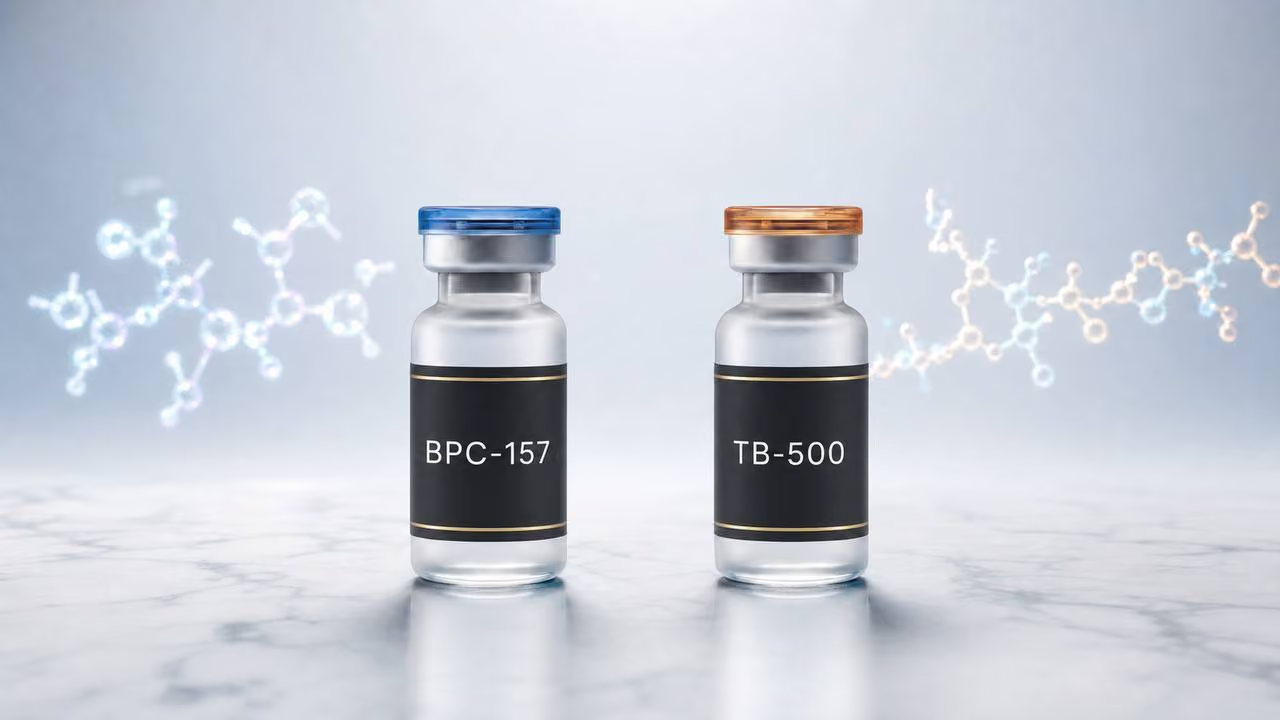
When patients undergo surgery at Lifetime Surgical, their primary focus is naturally on the procedure itself. However, the recovery phase is equally critical to achieving optimal outcomes. In recent years, there has been a surge of interest in advanced recovery protocols, particularly the use of peptides like BPC-157 and TB-500. These compounds have garnered significant attention in fitness and wellness communities for their purported ability to accelerate healing, reduce inflammation, and improve tissue repair. But what does the science actually say? Are these peptides the future of post-surgical recovery, or are they simply the latest trend fueled by anecdotal evidence? In this comprehensive guide, we will explore the differences between BPC-157 and TB-500, examine their potential benefits and risks, and separate the hype from the plausible and the unproven.
At Lifetime Surgical, we are committed to providing our patients with evidence-based care. Whether you are recovering from a complex hernia repair, undergoing bariatric surgery, or exploring options for anti-reflux surgery, understanding the tools available for your recovery is essential. Peptides represent a fascinating frontier in medicine, but they must be approached with caution and a clear understanding of their current regulatory and scientific status. Let's delve into the world of BPC-157 and TB-500 to understand how they might fit into a comprehensive post-surgical recovery plan. The journey of recovery is multifaceted, involving not just the physical healing of tissues, but also the restoration of function and the return to a high quality of life. As surgical techniques have advanced, so too have our expectations for recovery. Patients today are looking for ways to return to their active lifestyles faster and with less discomfort. This drive for optimized recovery has led many to explore alternative and adjunctive therapies, including the use of specific peptides.
It is important to recognize that the landscape of post-surgical care is constantly evolving. What was considered standard practice a decade ago may now be supplemented or replaced by newer, more effective protocols. However, the integration of new therapies must always be guided by rigorous scientific evidence and a paramount commitment to patient safety. The discussion surrounding BPC-157 vs TB-500 surgery recovery is a perfect example of this dynamic. While the potential benefits are intriguing, the lack of definitive clinical data requires a measured and critical approach. In the following sections, we will break down the science behind these peptides, evaluate the claims made about their efficacy, and provide a clear-eyed assessment of their current place in the realm of surgical recovery.
Before diving into the specifics of BPC-157 and TB-500, it is important to understand what peptides are and how they function within the human body. Peptides are short chains of amino acids, the building blocks of proteins. While proteins are typically composed of long, complex chains of amino acids, peptides are shorter, usually consisting of 2 to 50 amino acids. Because of their smaller size, peptides are often more easily absorbed by the body and can exert highly specific biological effects. They act as messengers, transmitting signals between cells and tissues to regulate a vast array of physiological processes.
In the context of medicine and healing, peptides act as signaling molecules. They bind to specific receptors on the surface of cells, triggering a cascade of cellular responses. These responses can include the stimulation of hormone production, the modulation of the immune system, and the promotion of tissue repair and regeneration. The human body naturally produces thousands of different peptides, each with its own unique function. For example, insulin is a well-known peptide hormone that regulates blood sugar levels. However, scientists have also developed synthetic peptides designed to mimic or enhance these natural processes, opening up new possibilities for therapeutic intervention.
When it comes to post-surgical recovery, the goal is to optimize the body's natural healing mechanisms. Surgery, by its very nature, induces trauma to tissues. The body responds with inflammation, a necessary step in the healing process, but excessive or prolonged inflammation can delay recovery and lead to complications. Peptides like BPC-157 and TB-500 are of interest because they are believed to modulate this inflammatory response and directly stimulate the repair of damaged tissues, including muscle, tendon, ligament, and even nerve tissue. By targeting specific cellular pathways involved in tissue regeneration, these peptides hold the theoretical potential to accelerate healing and improve overall outcomes following surgical intervention.
The science of peptide therapy is complex and rapidly advancing. Researchers are continually discovering new peptides and elucidating their mechanisms of action. This ongoing research is crucial for understanding how these compounds can be safely and effectively utilized in clinical practice. As our knowledge of peptide biology expands, we may see the development of targeted therapies that can precisely modulate the healing process, offering new hope for patients recovering from surgery, injury, or chronic disease. However, until these therapies are thoroughly validated through rigorous clinical trials, they remain largely experimental.
BPC-157, which stands for Body Protection Compound 157, is a synthetic peptide composed of 15 amino acids. It is derived from a protective protein found naturally in human gastric juice. In its natural environment, this protein helps to protect the lining of the stomach and promote the healing of ulcers. However, researchers have discovered that the synthetic peptide BPC-157 exhibits remarkable healing properties that extend far beyond the gastrointestinal tract. Its systemic effects have made it a subject of intense study in the fields of regenerative medicine and sports performance.
One of the most significant purported benefits of BPC-157 is its ability to accelerate the healing of various types of tissues. Animal studies have shown that BPC-157 can promote the repair of tendons, ligaments, muscles, and even bone. It is believed to achieve this by stimulating the formation of new blood vessels, a process known as angiogenesis. By increasing blood flow to the injured area, BPC-157 delivers essential nutrients and oxygen, which are critical for tissue regeneration. This enhanced vascularization is thought to be a key factor in the peptide's ability to accelerate the healing of tissues that typically have a poor blood supply, such as tendons and ligaments.
Furthermore, BPC-157 has been shown to possess potent anti-inflammatory properties. It can help to modulate the immune response, reducing the production of pro-inflammatory cytokines and promoting a more balanced healing environment. This is particularly relevant in the context of post-surgical recovery, where managing inflammation is key to minimizing pain and swelling and facilitating a faster return to normal function. By mitigating excessive inflammation, BPC-157 may help to prevent the formation of excessive scar tissue and promote more organized tissue repair. While the animal data is compelling, it is crucial to note that large-scale, randomized controlled trials in humans are still lacking.
In addition to its effects on tissue repair and inflammation, BPC-157 has also been studied for its potential neuroprotective properties. Some research suggests that it may help to protect neurons from damage and promote the regeneration of nerve tissue. This could have significant implications for patients recovering from surgeries that involve nerve manipulation or repair. However, as with its other purported benefits, the evidence for its neuroprotective effects is primarily derived from animal models, and its clinical relevance in humans remains to be established. The broad spectrum of potential benefits associated with BPC-157 makes it a fascinating compound, but it also underscores the need for rigorous clinical research to fully understand its capabilities and limitations.
TB-500 is a synthetic version of a naturally occurring peptide called Thymosin Beta-4 (TB4). TB4 is found in high concentrations in blood platelets and is released at the site of tissue injury. It plays a vital role in the body's natural healing response, particularly in the regulation of actin, a protein that is essential for cell movement and structure. By mimicking the action of TB4, TB-500 is thought to enhance the body's innate ability to repair and regenerate damaged tissues.
The primary mechanism of action for TB-500 is its ability to upregulate actin. By binding to actin, TB-500 promotes cell migration, which is the process by which cells move to the site of an injury to begin the repair process. This is particularly important for the healing of wounds and the regeneration of damaged tissues. In addition to promoting cell migration, TB-500 is also believed to stimulate angiogenesis, similar to BPC-157, further enhancing the delivery of nutrients and oxygen to the injured area. This dual action of promoting cell migration and increasing blood flow makes TB-500 a potent theoretical tool for tissue repair.
Another significant benefit attributed to TB-500 is its potential to reduce scar tissue formation. Scar tissue can be a major concern following surgery, as it can limit mobility and cause chronic pain. By promoting more organized and efficient tissue repair, TB-500 may help to minimize the formation of excessive scar tissue, leading to better functional outcomes. This is particularly relevant for surgeries involving muscles and joints, where excessive scarring can significantly impair range of motion and overall function. Like BPC-157, TB-500 has shown promise in animal models, but robust clinical data in humans remains limited.
Furthermore, TB-500 has been investigated for its potential cardiovascular benefits. Some studies suggest that it may help to protect the heart from damage following a heart attack and promote the regeneration of cardiac tissue. While these findings are preliminary, they highlight the broad systemic effects of this peptide. The ability of TB-500 to influence cellular processes across various tissue types makes it a versatile compound with potential applications in a wide range of medical conditions. However, the translation of these findings from the laboratory to the clinic requires careful and rigorous investigation to ensure safety and efficacy in human patients.
The main difference between BPC-157 and TB-500 lies in their mechanisms of action and primary targets. BPC-157 primarily focuses on angiogenesis (forming new blood vessels) and reducing inflammation, making it highly effective for localized healing of tendons, ligaments, and the gastrointestinal tract. TB-500, on the other hand, acts systemically to promote cell migration and regulate actin, making it better suited for widespread muscle repair and reducing scar tissue formation.
In the age of social media and online forums, it is easy for the potential benefits of experimental treatments to be exaggerated. When it comes to BPC-157 vs TB-500 surgery recovery, there is undoubtedly a significant amount of hype. Many proponents claim that these peptides are "miracle cures" that can cut recovery times in half and eliminate the need for traditional post-operative care. It is essential to approach these claims with a healthy dose of skepticism. The reality of medical science is rarely as simple or as miraculous as internet testimonials might suggest.
The reality is that no single compound can replace the foundational elements of post-surgical recovery, which include proper rest, nutrition, physical therapy, and adherence to your surgeon's instructions. While peptides may offer supportive benefits, they are not a substitute for a comprehensive recovery plan. Furthermore, the long-term safety profile of these synthetic peptides in humans is not fully understood. The lack of FDA approval for these specific uses means that they are not subject to the same rigorous testing and oversight as traditional pharmaceuticals. This lack of oversight is a significant concern, as it leaves patients vulnerable to potential risks and unknown side effects.
Another aspect of the hype surrounds the sourcing and quality of these peptides. Because they are not regulated as prescription medications for these purposes, they are often sold online as "research chemicals." This lack of regulation means that the purity, potency, and safety of the products available to consumers can vary wildly. Using contaminated or mislabeled peptides can pose serious health risks, which is why it is crucial to consult with a qualified medical professional before considering their use. The danger of counterfeit or impure products cannot be overstated, and patients must be extremely cautious when navigating the unregulated market for these compounds.
Finally, the hype often ignores the complexity of the human body and the healing process. What works in a controlled laboratory setting or in an animal model does not always translate to clinical success in humans. The human body is a highly complex system, and the introduction of exogenous compounds can have unpredictable effects. Until we have robust clinical data from well-designed human trials, any claims about the definitive efficacy of BPC-157 and TB-500 for post-surgical recovery must be viewed as speculative at best. It is our responsibility as medical professionals to guide our patients based on evidence, not internet trends.
Despite the hype, there is a plausible scientific basis for the potential benefits of BPC-157 and TB-500 in post-surgical recovery. The mechanisms of action—stimulating angiogenesis, modulating inflammation, and promoting cell migration—are all critical components of the body's natural healing process. If these peptides can safely and effectively enhance these processes in humans, they could represent a valuable tool for optimizing recovery. The theoretical foundation for their use is strong, and the preliminary data from animal studies is certainly encouraging.
For example, following a complex procedure like robotic surgery, patients often experience localized tissue trauma and inflammation. The targeted anti-inflammatory and angiogenic effects of BPC-157 could theoretically help to accelerate the healing of the surgical site and reduce post-operative pain. Similarly, the systemic effects of TB-500 on muscle repair and scar tissue reduction could be beneficial for patients recovering from procedures that involve significant muscle dissection or manipulation. These plausible applications make these peptides a compelling subject for future clinical research.
It is also plausible that these peptides could be used synergistically. Because they operate through different mechanisms, combining BPC-157 and TB-500 might offer a more comprehensive approach to tissue repair. However, this is purely theoretical at this point, and much more research is needed to determine the optimal dosing, administration protocols, and potential interactions of these compounds in human patients. The concept of synergistic therapy is common in medicine, but it requires careful study to ensure that the combination is both safe and more effective than either compound alone.
Furthermore, it is plausible that these peptides could be particularly beneficial for patients with compromised healing capabilities, such as those with diabetes or peripheral artery disease. By enhancing angiogenesis and modulating inflammation, BPC-157 and TB-500 could potentially help to overcome some of the physiological barriers to healing in these populations. However, this remains a hypothesis that must be tested in clinical trials. The potential to improve outcomes for high-risk patients is one of the most exciting aspects of peptide research, but it is also an area where rigorous scientific validation is absolutely essential.
The most significant caveat when discussing BPC-157 vs TB-500 surgery recovery is the lack of robust clinical data in humans. While the animal studies are promising, animal models do not always accurately predict how a compound will behave in the human body. Until large-scale, randomized, double-blind, placebo-controlled trials are conducted, the efficacy and safety of these peptides for post-surgical recovery remain unproven. This lack of clinical evidence is the primary reason why these compounds are not currently part of standard medical practice.
We still do not know the optimal dosage or the most effective route of administration for these peptides in humans. Should they be injected locally at the site of injury, or administered systemically? How long should a course of treatment last? What are the potential long-term side effects? These are all critical questions that remain unanswered. Without this information, it is impossible to establish standardized, evidence-based protocols for their use in clinical practice. The absence of established protocols means that any use of these peptides is inherently experimental and carries unknown risks.
Furthermore, the regulatory status of these peptides is complex. The FDA has recently taken steps to restrict the compounding and sale of certain peptides, including BPC-157, citing safety concerns and a lack of clinical evidence. This evolving regulatory landscape adds another layer of uncertainty for patients and providers interested in exploring peptide therapy. At Lifetime Surgical, we prioritize patient safety above all else, and we closely monitor these developments to ensure that our recommendations are aligned with the latest scientific and regulatory guidelines. Navigating this complex regulatory environment requires a deep understanding of the law and a commitment to ethical medical practice.
Finally, the potential for unintended consequences must be considered. While the mechanisms of action for BPC-157 and TB-500 are generally viewed as beneficial for healing, there is a theoretical risk that stimulating angiogenesis and cell proliferation could also promote the growth of abnormal cells, such as tumors. While there is currently no evidence to suggest that these peptides cause cancer, the long-term safety profile in humans is simply unknown. This theoretical risk underscores the importance of proceeding with caution and demanding rigorous clinical data before widespread adoption of these therapies.
At Lifetime Surgical, our approach to post-operative care is comprehensive and evidence-based. While we are always exploring innovative strategies to enhance recovery, we rely on proven methods to ensure the best possible outcomes for our patients. This includes meticulous surgical technique, optimized pain management protocols, early mobilization, and targeted nutritional support. We believe that the foundation of a successful recovery is built on these established pillars of care.
We understand that patients are increasingly interested in proactive approaches to their health and recovery. If you are curious about advanced recovery strategies, including the potential role of peptides, we encourage you to have an open and honest discussion with your surgeon. We can help you navigate the complex landscape of emerging therapies, providing you with the information you need to make informed decisions about your care. Our goal is to empower our patients with knowledge, allowing them to actively participate in their recovery journey.
Ultimately, the key to a successful recovery is a collaborative partnership between the patient and the surgical team. By combining state-of-the-art surgical techniques with a personalized, evidence-based recovery plan, we strive to help our patients return to their normal lives as quickly and safely as possible. Whether you are considering surgery or are already on the path to recovery, Lifetime Surgical is here to support you every step of the way. We are committed to providing the highest standard of care, grounded in science and tailored to the individual needs of each patient.
No, neither BPC-157 nor TB-500 is currently FDA approved for use in post-surgical recovery or for the treatment of any specific medical condition in humans. They are often classified as experimental or research chemicals, and their use in clinical settings is not standardized. The FDA has recently raised concerns about the safety and efficacy of compounded peptides, including BPC-157.
While some individuals in the fitness and wellness communities advocate for combining BPC-157 and TB-500 to leverage their different mechanisms of action, there is no clinical evidence to support the safety or efficacy of this practice in humans. Combining experimental compounds increases the risk of unknown interactions and side effects. Always consult with a qualified healthcare provider before starting any new supplement or therapy.
In experimental and anecdotal settings, BPC-157 and TB-500 are most commonly administered via subcutaneous injection (under the skin) or intramuscular injection. BPC-157 is also sometimes available in oral capsule form, particularly for gastrointestinal issues. However, because these are not approved medications, there are no established, medically supervised dosing or administration protocols.
Because robust human trials are lacking, the full side effect profile of these peptides is unknown. Anecdotal reports suggest that side effects may include pain or redness at the injection site, fatigue, headaches, and nausea. There are also theoretical concerns about the potential for these peptides to stimulate the growth of abnormal cells, given their role in promoting angiogenesis and cell proliferation.
The decision to explore peptide therapy should be made in close consultation with your surgeon and a qualified healthcare provider who is knowledgeable about these compounds. At Lifetime Surgical, we prioritize evidence-based, proven recovery protocols. While peptides represent an interesting area of research, they should not replace standard post-operative care, and their use carries inherent risks due to the lack of regulation and clinical data.
If you are preparing for surgery or have questions about optimizing your post-operative recovery, the expert team at Lifetime Surgical is here to help. We are dedicated to providing compassionate, evidence-based care tailored to your unique needs. Contact us today to schedule a consultation and learn more about our comprehensive approach to surgical excellence and patient recovery.
Call us at 408-850-0176 or visit our contact page to schedule your appointment.
Peptide, hormone, and longevity services are provided through Lifetime Performance Medicine, the wellness and longevity division of Lifetime Surgical, founded by Dr. Richard Nguyen and located in Los Gatos. If you would like to discuss whether any of these therapies are appropriate for your situation, you can book a consultation with Lifetime Performance Medicine.
Lifetime Performance Medicine is an affiliated practice under the same physician ownership. Any therapy discussed is subject to individual medical evaluation, and not all compounds discussed in this article are FDA-approved. Individual results vary.
Wondering which surgical procedure might be right for your condition? We're here to help you understand your treatment options and develop a personalized surgical plan. Contact our office today to schedule a consultation.
Your path to improved health may be more achievable than you think—with advanced surgical techniques leading to faster recovery, reduced complications, and a significantly enhanced quality of life.
.avif)